You Won’t Believe What Jeju’s Street Food Scene Actually Tastes Like
Jeju Island isn’t just volcanic trails and ocean views—its food culture is a whole adventure. I went searching for the real flavors beyond tourist menus and found something deeper: warm tteokbokki from a night market auntie, steamed black pork that falls apart, and hallabong-infused desserts that taste like sunshine. This isn’t just eating—it’s connecting. Every bite tells a story of tradition, island pride, and unexpected twists. From dawn markets to seaside grills, Jeju’s culinary rhythm mirrors its natural beauty: rich, layered, and deeply nourishing. For travelers who value authenticity over spectacle, the island’s street food offers a quiet revelation—one that lingers long after the trip ends.
Why Jeju’s Food Culture Stands Apart
Jeju’s cuisine is not simply a regional variation of Korean food—it is a distinct culinary identity shaped by centuries of geographic isolation, volcanic fertility, and maritime abundance. Located 80 kilometers off the southern coast of the Korean Peninsula, Jeju has developed a food culture that reflects its unique environment. The island’s volcanic soil, enriched by layers of basalt and ash, produces ingredients with intensified flavors and textures unseen on the mainland. This natural advantage is especially evident in the island’s famed hallabong oranges, whose sweetness is amplified by the mineral-rich earth and abundant sunlight. These citrus fruits are not only eaten fresh but are also incorporated into marinades, desserts, and even savory dishes, adding a bright, tangy note that defines Jeju’s palate.
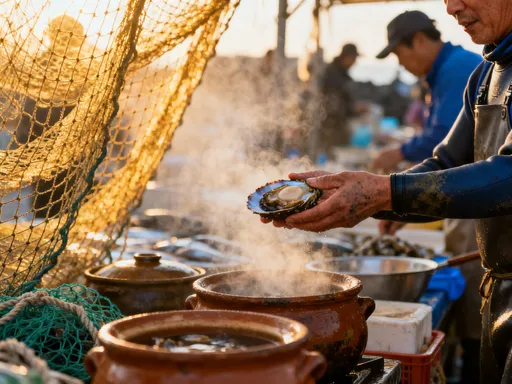
The island’s surrounding waters further contribute to its gastronomic distinction. Cold currents from the East China Sea and warm flows from the south converge near Jeju, creating ideal conditions for diverse marine life. As a result, seafood such as jeonbok (abalone), octopus, and conch are staples in local diets and are often harvested by haenyeo, the legendary female divers who have sustained coastal communities for generations. These women, recognized by UNESCO for their cultural significance, bring in fresh catches that are sold directly at markets or prepared in nearby eateries, ensuring peak freshness and supporting sustainable fishing practices. Their role goes beyond subsistence—it is a living testament to Jeju’s deep connection between food, nature, and community.
Another cornerstone of Jeju’s food identity is heukdwaeji, or black pork, a breed native to the island that thrives on a diet of sweet potatoes and natural forage. The meat is darker, richer, and more marbled than standard pork, with a depth of flavor that makes it a centerpiece at gatherings and festivals. Traditionally roasted or grilled over charcoal, black pork is often served with ssam (leafy wraps), garlic, and homemade sauces, allowing diners to assemble each bite with intention and care. What sets Jeju’s version apart is not just the quality of the meat but the cultural reverence surrounding it—this is food meant to be shared, savored slowly, and appreciated as part of a larger heritage. Together, these elements—volcanic soil, abundant sea, and indigenous livestock—form a food culture that is not merely about sustenance but about continuity and place.
Where to Start: Matching Your Palate to the Right Neighborhood
Navigating Jeju’s food landscape begins with understanding how different regions express their culinary character. Each neighborhood offers a distinct flavor profile shaped by its geography, history, and daily rhythms. For travelers seeking an authentic starting point, aligning your taste preferences with the right locale can transform a simple meal into a meaningful experience. Jeju City, the island’s capital, serves as a hub for traditional flavors and bustling market life. Here, the pace is steady, the aromas are bold, and the food reflects generations of urban culinary practice. The city’s markets, especially in the early morning hours, pulse with activity as vendors arrange freshly caught seafood, steaming buns, and baskets of seasonal vegetables. It’s an ideal place for those who appreciate the energy of city dining and want to sample a wide range of dishes in one visit.
Just a short drive south, Seogwipo presents a contrasting yet equally compelling food scene. Nestled along the coast, this area emphasizes freshness and simplicity, with an emphasis on seafood prepared with minimal intervention. Restaurants near the harbor often display their catch of the day on ice, allowing diners to select their meal moments before it’s cooked. Grilled abalone, raw octopus with sesame oil, and clear-shell clam soups are common offerings, each highlighting the natural taste of the sea. Unlike the more tourist-oriented seafood chains, the best spots in Seogwipo are often unmarked, family-run operations where the owner might greet you at the door and recommend what’s freshest. This is the place for travelers who value transparency in sourcing and enjoy meals that feel personal and unhurried.
For those willing to venture off the beaten path, the village of Gujwa on the northeastern coast offers a quieter, more introspective food experience. Removed from the main tourist corridors, Gujwa is known for its organic farms, artisanal producers, and slow-food ethos. Small cafes serve barley tea and homemade tteok (rice cakes) made from locally grown grains, while roadside stalls offer roasted sweet potatoes cooked in traditional clay ovens. The flavors here are subtle, earthy, and deeply connected to the land. Travelers who appreciate understated elegance and seasonal cooking will find Gujwa’s offerings particularly rewarding. By matching your appetite to the right neighborhood—whether it’s the vibrant chaos of Jeju City, the coastal purity of Seogwipo, or the rural serenity of Gujwa—you begin to taste Jeju not as a destination, but as a way of life.
Must-Try Dishes Without the Tourist Trap
One of the greatest joys of eating in Jeju is discovering dishes that are beloved by locals but often overlooked by guidebooks. These are the meals that don’t rely on flashy presentation or English menus but instead earn loyalty through flavor, tradition, and consistency. A prime example is ogokbap, a nourishing five-grain rice dish slow-cooked in volcanic stone pots. Unlike the refined white rice commonly served in hotels, ogokbap combines millet, black rice, red beans, corn, and barley, creating a hearty, slightly nutty porridge that warms the body and satisfies the soul. The best versions are found in small, family-run restaurants where the rice is cooked over charcoal and served with a selection of banchan (side dishes) made from garden-fresh vegetables. Look for places where elderly residents gather in the morning—this is a reliable sign that the food is both authentic and trusted.
Another must-try is haemul pajeon, a seafood pancake that showcases Jeju’s coastal bounty. While variations exist across Korea, Jeju’s version stands out for its generous use of fresh squid, shrimp, and green onions, all bound in a crisp, golden batter. The key to finding the real deal lies in observation: seek out stalls where the pancake is made to order, not pre-cut and reheated. A trustworthy sign is a crowded counter with locals waiting patiently, often with reusable containers to take leftovers home. Avoid places with oversized menus or neon signs promising ‘best in Korea’—authenticity rarely needs to advertise. When served hot from the griddle, the pancake should have a delicate crunch on the outside and a soft, savory interior that bursts with ocean flavor.
Perhaps the most transformative experience, however, is gukbap—soup with rice—eaten at dawn in a modest eatery near a fishing port. This humble dish, often made with congee-like rice simmered in a clear broth of dried anchovies and kelp, is elevated by the addition of freshly grilled fish or tender pork. The ritual of eating gukbap early in the morning is deeply rooted in Jeju’s fishing culture, where workers begin their day before sunrise. Sitting among them, sipping hot soup as the sky lightens over the water, creates a sense of belonging that transcends language. To find these spots, ask a local hotel staff member or follow the flow of residents in the early hours. These meals may not be listed on food apps, but they represent the heart of Jeju’s culinary soul—simple, nourishing, and deeply human.
How to Eat Like a Local (Not a Tourist)
Eating like a local in Jeju goes beyond choosing the right dish—it involves understanding the unspoken rules of dining etiquette and social interaction. One of the most important skills is learning how to order in a way that earns respect from vendors, especially the ajummas (middle-aged women) who run many of the island’s beloved food stalls. These women are not just cooks; they are gatekeepers of tradition, and they appreciate customers who show genuine interest. A simple ‘anyjeonghaseyo’ (hello) followed by pointing to what others are eating can go a long way. If you’re unsure, gesture politely and wait for a recommendation—many will respond warmly to respectful hesitation.
At fish markets, nonverbal communication becomes essential. Vendors often speak limited English, but they understand enthusiasm and curiosity. When selecting seafood, use hand signals to indicate size, freshness, and preparation method. For example, tapping your chopsticks on an empty bowl means you’d like it grilled; mimicking the motion of slicing suggests sashimi. This silent dialogue builds rapport and often results in better service and even complimentary samples. Another key practice is sharing small plates. Unlike Western dining norms where one person orders a single entrée, Jeju’s food culture revolves around communal eating. Order several dishes to share, and watch how the meal becomes a conversation—about flavors, memories, and the day’s catch.
Equally important are the small acts of respect that demonstrate cultural awareness. Never leave your chopsticks upright in a bowl of rice, as this resembles a funeral ritual and is considered disrespectful. Finish your soup completely—it signals appreciation and avoids waste, a value deeply embedded in island life. When paying, have small bills ready; many stalls are cash-only and may not carry change for large notes. These gestures may seem minor, but they signal that you are not just passing through, but engaging with the culture on its own terms. Over time, regulars notice, smiles grow warmer, and the food somehow tastes even better—proof that how you eat is just as important as what you eat.
The Best Markets You’ve Never Heard Of (But Should Visit)
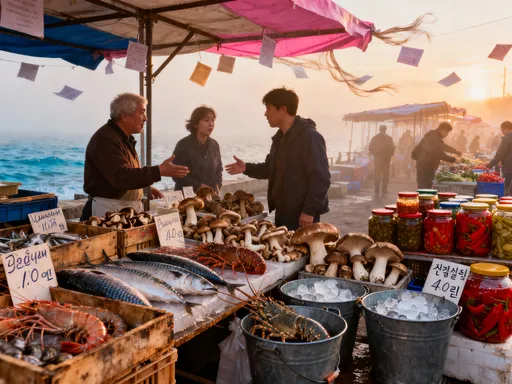
While Dongmun Traditional Market in Jeju City is well-known to visitors, few explore its early-morning section, where the true essence of local food life unfolds. Arriving by 7:30 a.m. reveals a different world: fishmongers arranging glistening mackerel and sea bream on ice, grandmothers selling handmade kimchi from ceramic jars, and steam rising from stalls offering hot mandu (dumplings) and red bean buns. This is not a performance for tourists—it is a working market where residents stock up for the day. The energy is calm but purposeful, and the food is at its freshest. One hidden gem within Dongmun is a tiny stall run by two sisters who serve abalone porridge in delicate porcelain bowls. They use only wild-caught abalone, simmered for hours until tender, and serve it with a side of perilla leaf and fermented radish. It’s a dish that speaks of care, patience, and pride.
Another under-the-radar destination is the seaside morning market near Jocheon, located on the northeastern coast. Open only from 7 a.m. to noon, this market thrives on direct trade between fishermen and buyers. Here, you can watch octopus being cleaned moments after it’s pulled from the sea, or select a live crab to be steamed on the spot. The atmosphere is relaxed, with vendors calling out specials in melodic Jeju dialect. What makes this market special is its emphasis on immediacy—food is not stored or transported long distances but consumed within hours of harvest. Visitors are encouraged to sample before buying, and many vendors offer small tastes of grilled squid or pickled seaweed to help you decide. Cash is essential, as few accept cards, and bargaining is not customary—prices are fair and fixed.
Navigating these markets requires a bit of preparation but rewards with unmatched authenticity. Wear comfortable shoes, bring a small bag for purchases, and arrive early to beat the midday heat. Don’t rush—allow time to observe, ask questions, and let the rhythm of the market guide you. Many vendors appreciate when visitors take photos respectfully, but always ask first. These markets are not attractions; they are vital parts of daily life, where food connects people to place and season. By visiting them with humility and curiosity, you become part of that connection, even if only for a morning.
When to Go: Seasonal Bites That Define the Calendar
Jeju’s food culture is deeply seasonal, with each time of year bringing its own signature dishes and harvesting rhythms. Travelers who align their visits with these cycles are rewarded with ingredients at their peak and experiences that reflect the island’s agricultural heartbeat. In spring, the focus shifts to abalone, which is harvested during a brief window when the tides are calm and the sea is clear. This is also when haenyeo divers are most active, and some coastal villages host small festivals celebrating their work. Participating in one of these events offers more than just food—it provides insight into a vanishing way of life and the deep respect locals hold for the ocean.
Summer brings samdae bap, a dish made with three types of shellfish—usually clams, mussels, and ark shell—steamed together with rice in a heavy pot. The broth infuses the grains with a briny richness, creating a one-dish meal that is both filling and refreshing in the humid heat. This dish is best enjoyed at seaside restaurants where the shells are still glistening with seawater. Autumn, meanwhile, is the season of the hallabong. These large, sweet oranges reach peak ripeness in October and November, and their juice is used in everything from desserts to marinades. Local bakeries offer hallabong tarts, jams, and even ice cream, all bursting with citrus brightness. Visiting a family-run orchard during this time allows you to pick your own fruit and taste the difference between commercially grown and home-harvested varieties.
Winter shifts toward warmth and comfort, with black pork stews and hot soups dominating menus. These dishes are slow-cooked for hours, often in earthenware pots, and served with generous portions of kimchi and garlic. The colder months also coincide with Jeju’s quieter tourism season, meaning fewer crowds and more opportunities to interact with locals. Whether it’s sharing a pot of stew in a village home or warming up with barley tea after a coastal walk, winter eating in Jeju feels intimate and grounding. By planning your trip around these seasonal rhythms, you don’t just eat well—you eat meaningfully, in harmony with the island’s natural and cultural cycles.
From Plate to Purpose: How Food Preserves Jeju’s Soul
Beyond flavor and tradition, Jeju’s food culture plays a vital role in preserving the island’s identity and supporting sustainable living. Every meal, no matter how simple, carries the weight of history and the hope for continuity. Fishing villages continue to pass down recipes from mother to daughter, ensuring that dishes like abalone stew or dried seaweed rolls remain part of daily life. Haenyeo divers, though fewer in number today, still teach younger generations their techniques, not just for livelihood but for cultural survival. When travelers choose to eat at family-run inns or buy directly from market vendors, they contribute to this resilience, helping small-scale producers thrive in an era of industrialization.
Farming practices on Jeju also reflect a commitment to heritage. Many small farms use ancient methods, rotating crops in volcanic fields and avoiding chemical fertilizers. These farms supply local restaurants with fresh greens, sweet potatoes, and grains, creating a short, transparent food chain. By savoring food grown this way, diners participate in a form of cultural preservation—one bite at a time. Restaurants that highlight their sourcing, such as listing the village where their pork was raised or the diver who caught their octopus, invite guests to see food not as a commodity but as a story.
Ultimately, eating in Jeju is an act of mindfulness. It asks travelers to slow down, listen to the people behind the meals, and appreciate the labor that goes into every dish. It challenges the fast-paced, photo-driven tourism model and offers instead a quieter, more fulfilling way to travel. When you sit down to a bowl of ogokbap or share a grilled fish with strangers at a market stall, you’re not just feeding your body—you’re connecting with a community that has lived in harmony with its environment for centuries. The flavors may fade, but the feeling remains: that food, when rooted in place and purpose, has the power to nourish far more than hunger.