Jungle Dreams and Hidden Warnings in Paramaribo’s Wild
You know what? Paramaribo isn’t just about colonial streets and bustling markets—its real magic lies beyond the city, where untouched rainforests, winding rivers, and wildlife-rich reserves await. I went searching for peace in Suriname’s natural havens and found beauty I never expected—along with some serious pitfalls. This is not your average tropical getaway; this is raw, real, and sometimes rough. The air hums with insect life, the canopy drips after rain, and every path feels like it was made by animals before humans. Yet beneath the postcard serenity are real challenges: unpredictable terrain, logistical hurdles, and fragile ecosystems that demand respect. For travelers seeking authenticity, Suriname offers a rare chance to step into a living wilderness—but only if they come prepared, informed, and humble.
The Allure of Paramaribo’s Natural Escape
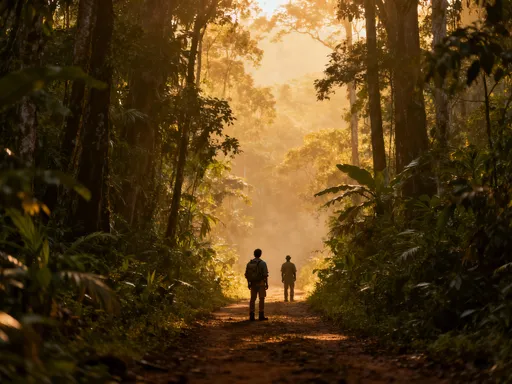
Paramaribo, the capital of Suriname, is often appreciated for its Dutch colonial architecture and vibrant Creole culture. But beyond the city’s painted wooden homes and open-air markets lies a different world—one of emerald-green canopies, meandering blackwater rivers, and silence so deep it feels sacred. Just a few hours’ drive from the urban center, the jungle rises like a living wall, teeming with life unseen in most parts of the modern world. This small South American nation, nestled between French Guiana, Brazil, and Guyana, is one of the most forested countries on Earth, with over 90 percent of its land covered in dense tropical rainforest. For nature lovers, birdwatchers, and quiet seekers, this is a dream destination.
The Brownsberg Nature Reserve, located about two hours southeast of Paramaribo, is one of the most accessible gateways into this wild landscape. Home to panoramic views from the Brownsberg summit, cascading waterfalls like Voltzberg Falls, and an abundance of wildlife including howler monkeys, sloths, and over 400 bird species, the reserve offers a balanced mix of adventure and safety for first-time visitors. Trails are marked, ranger stations exist, and guided hikes are readily available. Meanwhile, the Central Suriname Nature Reserve—vast, remote, and spanning nearly 1.6 million hectares—is a UNESCO-recognized stronghold of biodiversity. It protects pristine watersheds, rare orchids, and elusive creatures like the giant armadillo and the Guiana dolphin. These areas are not theme parks; they are functioning ecosystems where human presence must be respectful and minimal.
What draws travelers here is not luxury or convenience, but authenticity. In a world where many destinations feel overdeveloped or commercialized, Suriname remains refreshingly unscripted. There are no glass-bottom boats or souvenir stalls deep in the forest. Instead, visitors find stillness, the rustle of leaves, and the occasional cry of a harpy eagle overhead. The experience is immersive, grounding, and deeply calming for those who crave disconnection from digital noise and urban chaos. Yet, this very authenticity means that infrastructure is limited, services are sparse, and nature calls the shots. The beauty is real—but so are the risks of underestimating it.
Misconception: “It’s Just Jungle—How Hard Can It Be?”
One of the most common mistakes travelers make when visiting Suriname’s natural areas is assuming that because it looks green and inviting, it must be easy to navigate. The phrase “It’s just jungle” is often spoken with a smile, but it carries dangerous assumptions. Unlike manicured parks or well-maintained hiking trails in temperate climates, Suriname’s rainforests are dynamic, unpredictable, and often unforgiving. The terrain can shift from solid ground to muddy sinkholes within meters. Rivers may appear calm but hide strong undercurrents. And while the temperature might feel pleasant in the shade, humidity levels regularly exceed 85 percent, increasing the risk of dehydration and heat exhaustion even during short walks.
Consider the case of a solo traveler who decided to hike a marked trail in Brownsberg without a guide, thinking it would take no more than two hours. What began as a scenic stroll turned into a five-hour ordeal when heavy rain obscured trail markers and turned footpaths into slick streams. Without a map or satellite device, the hiker became disoriented and had to wait for a ranger patrol to locate them. Another visitor attempted a river crossing at a popular swimming spot during the early rainy season, unaware that recent rainfall had increased the flow. The person was swept several meters downstream before managing to grab onto overhanging branches. These are not extreme outliers—they are realistic scenarios that occur more often than official reports suggest.
The truth is, even seemingly minor excursions require preparation. Trails may be poorly maintained, signage may be faded or missing, and weather patterns can change rapidly. Flash floods, sudden downpours, and reduced visibility are common, especially between April and August, the primary rainy season. Insects thrive in these conditions, and biting flies, mosquitoes, and fire ants are constant companions. Without proper footwear, insect repellent, extra water, and basic navigation tools, even a half-day trip can become a survival situation. The jungle is not hostile—but it does not accommodate carelessness. Respecting its complexity is the first step toward a safe and meaningful experience.
The Guide Dilemma: To Hire or Not to Hire?
Many travelers face a decision when planning a trip into Suriname’s wilderness: should they hire a local guide? Some see it as an unnecessary expense, believing that maps, apps, or online reviews can replace firsthand knowledge. Others want the freedom of exploring at their own pace, unburdened by group schedules or mandatory stops. While independence is admirable, in Suriname’s rainforests, it can come at a high cost. Local guides are not just navigators—they are interpreters of the environment, keepers of cultural wisdom, and essential safety partners.
Experienced guides know which trails are passable after rain, where river levels are safe to cross, and which areas to avoid due to recent animal activity or flooding. They carry knowledge passed down through generations—how to identify edible plants, how to respond to snake encounters, and how to move quietly through the forest without disturbing wildlife. This expertise cannot be replicated by a GPS device or a downloaded PDF. Moreover, many protected areas, including parts of the Central Suriname Nature Reserve, require visitors to be accompanied by authorized guides. Attempting to enter without one can result in denied access, fines, or even evacuation by park rangers.
Beyond safety, guides enrich the experience in ways that transform a simple hike into a deeper journey. They point out subtle signs of animal presence—a broken branch, a set of tracks, a distant call—and explain their meaning. They share stories about local medicinal plants, traditional conservation practices, and the spiritual significance certain areas hold for Indigenous communities. This cultural context adds layers of understanding that make the visit more meaningful. Travelers who skip the guide may save money upfront, but they often miss the heart of what makes Suriname’s nature so special.
For those concerned about cost, it’s worth noting that hiring a guide supports the local economy and promotes sustainable tourism. Many guides are members of nearby villages who depend on eco-tourism for income. By choosing certified operators—such as those registered with the Suriname Tourism Foundation or affiliated with recognized lodges—visitors ensure they are working with trained professionals who follow environmental protocols. Booking in advance also helps secure availability, especially during peak months like February and July, when families and international tourists increase demand. In short, a guide is not a luxury—it’s a necessity for safety, compliance, and connection.
Logistical Nightmares: Transport, Permits, and Timing
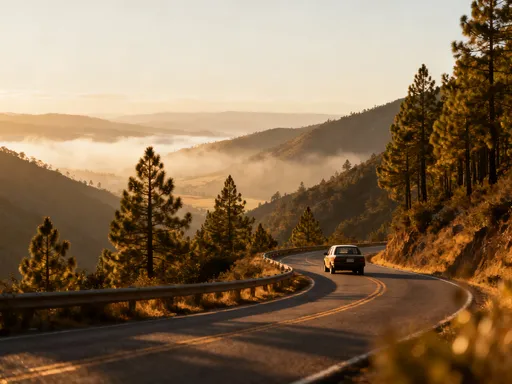
Even the most enthusiastic traveler can be caught off guard by the logistical challenges of visiting Suriname’s natural reserves. Unlike destinations with well-established transit systems, Suriname’s remote parks require careful coordination of transport, documentation, and timing. Roads leading to trailheads are often unpaved, poorly maintained, and prone to flooding during the rainy season. Public transportation is limited, and buses rarely go beyond small village outposts. This means that most visitors must arrange private 4x4 vehicles, which can be costly and difficult to book on short notice.
Take the journey to Brownsberg, for example. While only about 100 kilometers from Paramaribo, the final stretch of road is rough and narrow, suitable only for high-clearance vehicles. During heavy rains, it can become impassable for days. Travelers who assume they can take a taxi or rent a regular sedan often find themselves stranded or forced to pay exorbitant fees for last-minute off-road transport. Similarly, access to more remote areas like the Central Suriname Nature Reserve typically requires a combination of driving, boat travel, and sometimes even small aircraft. These arrangements must be planned weeks in advance through licensed tour operators, as spontaneous trips are rarely feasible.
Equally important are the permit requirements. Most protected areas in Suriname require visitors to obtain entry permits, which may need to be applied for days or even weeks ahead of time. These permits help regulate visitor numbers, protect sensitive habitats, and fund conservation efforts. Failing to secure one can result in being turned away at the gate—after hours of difficult travel. Some reserves also require additional clearances, such as health declarations or proof of travel insurance, especially for overnight stays. Ignoring these steps not only disrupts plans but also undermines the country’s efforts to manage tourism sustainably.
Timing is another critical factor. The dry season, from August to November, offers the most stable weather and easiest access to trails and rivers. This is also the busiest time for tourism, so lodges, guides, and transport fill up quickly. The rainy season, while lush and visually stunning, brings challenges: swollen rivers, muddy paths, and increased insect activity. For those determined to visit during this period, flexibility is key. It’s wise to build buffer days into the itinerary to account for delays. Ultimately, successful travel to Suriname’s wild spaces depends less on luck and more on meticulous planning. Those who invest time in logistics are rewarded with smoother journeys and deeper access to nature’s wonders.
Wildlife Warnings: Respect Over Romance
Encountering wildlife in Suriname is one of the most thrilling aspects of the journey. Imagine standing at dawn near a riverbank and spotting a group of giant river otters playing in the mist, their sleek bodies darting through dark water. Or hearing the deep, guttural roar of howler monkeys echoing through the trees as the sun rises. Brightly colored toucans, trogons, and parrots flash through the canopy, while electric-blue morpho butterflies drift on the breeze. These moments feel magical—and they should be treated as such, not as opportunities for performance or possession.
Too often, travelers approach wildlife with a romanticized view, forgetting that these animals are not actors in a nature documentary. They are wild, unpredictable, and easily stressed by human presence. Feeding animals, even with good intentions, disrupts their natural foraging behaviors and can lead to dependency or aggression. Getting too close for photographs can provoke defensive reactions—especially from species like capuchin monkeys or caimans. Using flash photography at night can disorient nocturnal creatures, while loud voices or sudden movements can scare animals away from vital feeding or nesting areas.
Safety is also a concern. While large predators are rare in Suriname, other risks exist. Mosquitoes carry diseases such as dengue and malaria, making insect repellent with DEET or picaridin essential. Leeches are common in damp undergrowth, particularly after rain, and though not dangerous, their bites can be uncomfortable and prone to infection if not cleaned. Night walks should only be done with experienced guides who carry proper lighting and know which areas to avoid. Swimming in rivers or creeks should be approached with caution—some waterways are home to electric eels or stingrays, and strong currents can appear without warning.
The best way to enjoy wildlife is through quiet observation. Use binoculars or a zoom lens to view animals from a distance. Stay on designated trails to minimize habitat disturbance. Follow the guide’s instructions without exception. By treating wildlife with respect rather than entitlement, visitors help ensure that these species remain healthy and wild for generations to come. The forest’s beauty is not diminished by restraint—it is enhanced by it.
Eco-Impact: How Tourists Unknowingly Harm Nature
Even well-meaning travelers can leave a negative mark on Suriname’s fragile ecosystems. The damage is rarely intentional, but it accumulates over time. A banana peel tossed off a trail may seem harmless, but it introduces non-native organic matter that disrupts soil balance and attracts pests. Straying from marked paths compacts soil, damages plant roots, and opens corridors for invasive species. Using chemical sunscreens or insect sprays near water sources can poison aquatic life, including fish and amphibians that are vital to the food chain.
One of the most overlooked issues is waste management. Many remote areas lack trash collection services, meaning everything brought into the forest must be carried out. Plastic wrappers, water bottles, and used tissues left behind not only spoil the scenery but also endanger animals that may ingest or become entangled in them. Even biodegradable items like fruit peels take months to decompose in tropical conditions and can spread seeds from non-native plants. The principle of “pack it in, pack it out” is not just a slogan—it is a responsibility.
Another concern is noise pollution. Loud conversations, music, or phone ringtones travel far in the stillness of the jungle, disturbing birds and mammals that rely on acoustic signals for communication and survival. Similarly, the use of drones, while tempting for aerial photography, is often prohibited in protected areas due to their disruptive effect on wildlife. These small actions, when multiplied by hundreds of visitors, can degrade the very tranquility people come to enjoy.
The solution lies in adopting low-impact practices. Choose eco-friendly gear made from sustainable materials. Use reef-safe sunscreen and biodegradable toiletries. Stick strictly to marked trails. Support lodges and tours that prioritize conservation, employ local staff, and contribute to environmental protection programs. By making mindful choices, travelers become stewards rather than spectators. Suriname’s nature is resilient, but it is not indestructible. Every visitor has the power to protect it—or to harm it, one small decision at a time.
Rewriting the Adventure: Smarter, Safer, More Meaningful
The dream of escaping into the jungle is powerful—a longing for simplicity, beauty, and connection with the natural world. In Suriname, that dream is still possible. But it must be pursued with awareness, preparation, and humility. The pitfalls described here are not meant to discourage travel, but to elevate it. Avoiding danger does not mean missing out; it means engaging more deeply, safely, and respectfully with one of Earth’s last great wildernesses.
The journey begins long before stepping onto a trail. It starts with research—learning about permit requirements, seasonal conditions, and responsible operators. It continues with packing wisely: sturdy boots, waterproof gear, insect protection, and a commitment to carrying out all waste. It means hiring a local guide not as a formality, but as a partner in discovery. And it involves setting aside the urge to conquer or capture nature, replacing it with the desire to listen, observe, and learn.
When done right, travel to Paramaribo’s wild surroundings becomes transformative. It offers not just sights, but insights. It reminds us that humans are part of a larger web of life, not its masters. The rustle of leaves, the call of a bird, the slow glide of a caiman through blackwater—all speak of a world that exists on its own terms. To witness it is a privilege, not a right.
So go—explore the rainforests, paddle the quiet rivers, breathe the humid air. But go with eyes wide open. Prepare thoroughly. Respect the rules. Support local communities. Protect the land. In doing so, you don’t just have an adventure. You become part of a legacy of care, ensuring that Suriname’s wild heart continues to beat for those who will come after you.