You Won’t Believe Bucharest Has Secret Forests and Wild Lakes
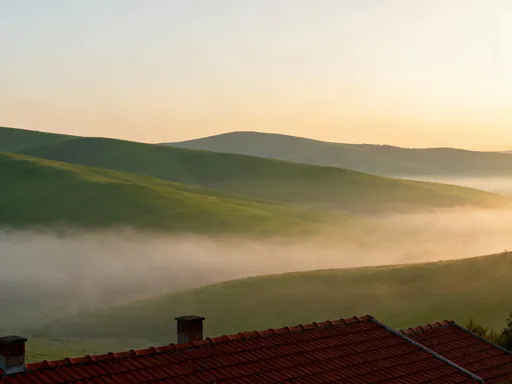
Bucharest might be known for its chaotic streets and communist-era blocks, but just beyond the city’s edge lies a surprisingly wild side. I never expected to find untouched forests, shimmering lakes, and quiet trails so close to an urban capital. These hidden natural escapes offer peace, fresh air, and real adventure—all within easy reach. If you think Romania is only about castles and mountains, think again. Bucharest’s green secrets are waiting to be explored. Far from being a concrete jungle, the city is cradled by wetlands, rivers, and woodlands that have quietly thrived despite decades of urban growth. These spaces are not just scenic—they are lifelines for both wildlife and weary city dwellers seeking balance. This is the Bucharest few tourists see, yet one that locals are increasingly learning to cherish.
The Urban Myth: Bucharest Has No Nature (And Why It’s Dead Wrong)
Many travelers assume Bucharest is a sprawling urban landscape with little greenery, a city shaped by rapid industrialization and dense housing blocks. While it's true that traffic and construction dominate much of the inner city, this perception overlooks a crucial truth: Bucharest is surrounded by and interwoven with natural landscapes. Satellite imagery and geographical studies confirm that over 25% of the city’s administrative area consists of parks, forests, agricultural land, and protected zones. These are not minor patches of grass but substantial ecosystems that support biodiversity and offer recreational value. The reality is that Bucharest sits at the crossroads of several natural corridors, including the Dâmbovița and Argeș river basins, which feed into wetlands and woodlands extending in all directions.
One reason this natural abundance remains underappreciated is visibility. Unlike cities designed around central parks like London’s Hyde Park or New York’s Central Park, Bucharest’s green spaces are often fragmented and less promoted. They do not always appear on tourist maps or in travel brochures. Yet they exist—and they are accessible. Areas like the Băneasa Forest, Văcărești Nature Park, and the lakes along the Colentina River are not just incidental green zones; they are ecologically significant and increasingly recognized by environmental agencies. The Romanian Ornithological Society, for example, lists several of these sites as important bird habitats, monitoring species such as herons, kingfishers, and even rare warblers.
Another factor contributing to the myth is historical context. During the communist era, large-scale urban planning prioritized housing and infrastructure, often at the expense of green preservation. However, some projects were abandoned or repurposed, unintentionally creating space for nature to return. Văcărești, for instance, was once intended to be a massive reservoir but was left unfinished, allowing reeds and wetland species to take root. Over time, what was seen as a construction failure became an ecological success. This dynamic—where neglect led to regeneration—has played out in multiple areas around the city, proving that nature, when given even a small chance, can reclaim urban margins.
Today, city planners and environmental groups are working together to reframe Bucharest’s identity—not as a gray metropolis, but as an evolving green capital. Initiatives like the Green Belt of Bucharest aim to connect isolated natural areas into a continuous network of trails and conservation zones. These efforts are supported by data showing improved air quality and reduced urban heat in neighborhoods near larger green spaces. The message is clear: Bucharest does have nature. It has always had it. The challenge now is not to create green spaces from scratch, but to recognize, protect, and invite people to experience them.
Herăstrău Park: More Than Just a City Escape
When most residents think of nature in Bucharest, Herăstrău Park comes to mind first. Located in the northern part of the city, it spans over 180 hectares and centers around Lake Herăstrău, a natural body of water fed by the Dâmbovița River. Often described as the city’s “green lung,” the park is a favorite for weekend strolls, family picnics, and outdoor exercise. But beyond its reputation as a leisure destination lies a more complex ecological story. The lake and its surrounding woodlands host native plant species such as black alder, willow, and common reed, which provide habitat for amphibians, insects, and migratory birds. Early mornings reveal a different atmosphere—one of stillness and natural rhythm, where the only sounds are rustling leaves and distant bird calls.
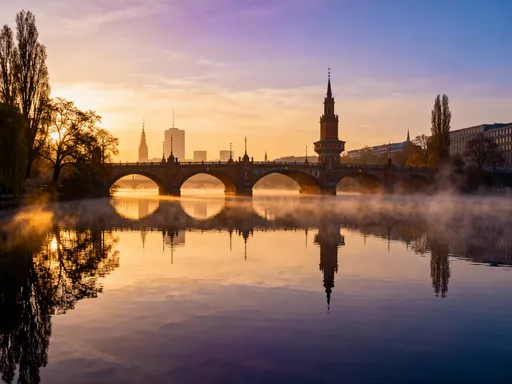
What many visitors don’t realize is that Herăstrău Park contains semi-wild zones that are rarely crowded. The northern and eastern edges, away from the main entrances and attractions like the Dimitrie Gusti National Village Museum, remain relatively untouched. Here, narrow dirt paths wind through dense tree cover, offering a sense of seclusion uncommon in a city park. These areas are especially peaceful in autumn, when fallen leaves blanket the ground and mist rises from the lake at dawn. Birdwatchers have recorded species such as the great crested grebe and the Eurasian coot, indicating a healthy aquatic ecosystem. Even the lake’s water quality has improved in recent years due to restoration efforts, including shoreline stabilization and invasive plant removal.
The park’s history also adds depth to its appeal. Originally a rural lakeside area, it was formally developed in the 1930s as a public recreation space. Over the decades, it has survived political shifts, neglect, and overuse, emerging today as a symbol of resilience. Its blend of cultural landmarks and natural beauty makes it a microcosm of what urban parks can achieve when managed with care. For families, it offers playgrounds and open lawns; for nature lovers, it provides quiet trails and seasonal wildlife sightings. It proves that even well-known green spaces can offer authentic natural experiences—if one knows where and when to look.
Visitors are encouraged to explore beyond the central promenade. Renting a paddleboat can offer a unique perspective of the shoreline, while walking the perimeter trail—approximately 5 kilometers long—allows for a more immersive experience. Early spring brings blooming willows and the return of swallows, while late summer offers golden light filtering through the trees. The park is accessible by public transport, with multiple bus and tram lines serving its entrances, making it a practical choice for residents and tourists alike. By treating Herăstrău not just as a backdrop for relaxation but as a living ecosystem, visitors can deepen their connection to Bucharest’s natural heritage.
The Hidden Wetlands of Văcărești Nature Park
Just a few kilometers south of the city center lies one of Europe’s most unexpected natural treasures: Văcărești Nature Park. Designated in 2014, it became Romania’s first urban national park and the only one located within a capital city’s boundaries. What makes it even more remarkable is that it was never intentionally created. In the 1980s, the communist regime began constructing a large reservoir here, demolishing homes and redirecting the Dâmbovița River. But the project was abandoned, and for decades, the site was left untouched. Without human intervention, nature took over. Reeds spread, waterfowl arrived, and a diverse ecosystem emerged from what was once a construction site.
Today, Văcărești covers over 180 hectares and includes lakes, marshes, meadows, and patches of woodland. It is home to more than 90 bird species, including the purple heron, the glossy ibis, and the endangered red-backed shrike. Biologists have also documented otters, foxes, and over 400 plant species, many of which are rare in urban environments. The park functions as a critical stopover for migratory birds traveling along the Black Sea–Mediterranean flyway. Its mosaic of habitats supports a level of biodiversity that rivals some rural reserves. This spontaneous regeneration has made Văcărești a case study in urban ecology, demonstrating how abandoned spaces can evolve into valuable natural assets.
Access to the park is carefully managed to protect its fragile ecosystems. Visitors can enter through designated gates, primarily on the northern and eastern sides, and must stay on marked trails. Guided tours, led by local environmental organizations, are available on weekends and offer insights into the park’s history and wildlife. These tours emphasize responsible behavior—no feeding animals, no littering, and no off-trail walking. The experience is quiet and reflective, a contrast to the bustling city just beyond the tree line. Observation towers and blinds allow for discreet wildlife viewing, particularly during early morning hours when bird activity peaks.
Despite its protected status, Văcărești has faced challenges. Illegal dumping and unauthorized access have threatened its integrity, prompting increased surveillance and community-led clean-up initiatives. Local schools and NGOs now use the park for environmental education, teaching children about wetland conservation and species identification. These efforts help build long-term stewardship, ensuring that future generations understand the value of this unique space. For visitors, a trip to Văcărești is more than a nature walk—it is a lesson in resilience, adaptation, and the quiet power of nature to heal and transform.
Exploring the Argeș River Corridor: Wild Banks and Riverside Trails
South of Bucharest, the Argeș River flows quietly through a landscape that feels worlds away from the city. While the upper Argeș cuts through the Carpathian Mountains, its lower reaches near the capital remain surprisingly undeveloped. Along a 20-kilometer stretch between the towns of Popești-Leordeni and Crevedia, the riverbanks are lined with willows, reeds, and patches of floodplain forest. This corridor serves as a natural transition zone between urban and rural Romania, offering accessible opportunities for hiking, birdwatching, and quiet contemplation. Unlike more famous rivers, the Argeș in this region sees few visitors, preserving its sense of solitude and wildness.
Several entry points make the river accessible to day-trippers. Near Crevedia Lake, a former gravel pit turned into a recreational area, visitors can park and follow informal trails along the water’s edge. These paths are uneven and unmarked in places, requiring sturdy footwear, but they lead to scenic overlooks and quiet coves where kingfishers dart and dragonflies hover. In spring, the area bursts with life—yellow iris flowers bloom in the wetlands, frogs chorus at dusk, and migratory birds such as the common tern and the black-crowned night heron pass through. Autumn brings a different beauty, with golden reflections on the water and flocks of ducks gathering before migration.
The Argeș River corridor also plays an important ecological role. It acts as a wildlife corridor, allowing animals to move between forested areas and wetlands. Studies have shown that species such as the European hedgehog, the red fox, and even the elusive Eurasian otter use these riparian zones for shelter and foraging. The river’s health is closely monitored by environmental groups, who advocate for reduced agricultural runoff and sustainable land use practices in nearby communities. These efforts are essential, as the lower Argeș is vulnerable to pollution from upstream sources.
For visitors, the experience is one of simplicity and immersion. There are no visitor centers or cafes, only the rhythm of the river and the rustle of the wind through the reeds. A picnic on the bank, a sketchbook in hand, or a pair of binoculars for birding—these are the only tools needed. Biking is another excellent way to explore, with rural roads running parallel to the river. The route from Popești-Leordeni to Crevedia is flat and scenic, suitable for families and casual cyclists. Public transport options are limited, so car or bike access is recommended. Those who make the journey are rewarded not with grand vistas, but with the quiet joy of being present in a living, breathing landscape.
The Forests of Băneasa: Where City Meets Wilderness
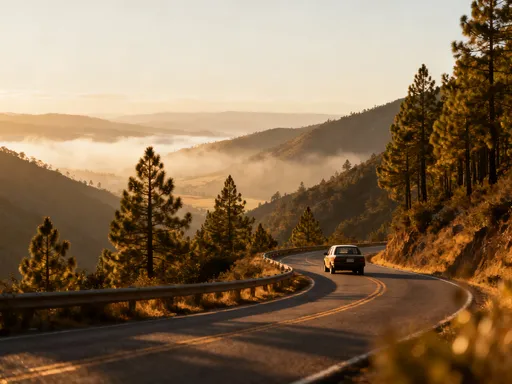
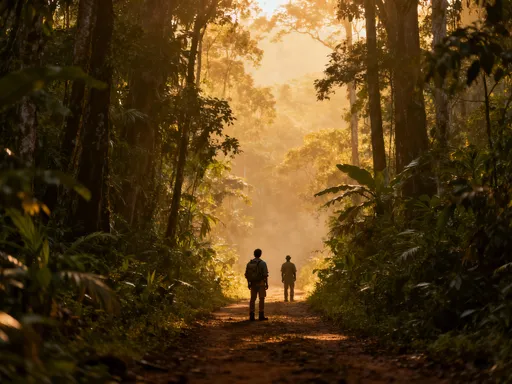
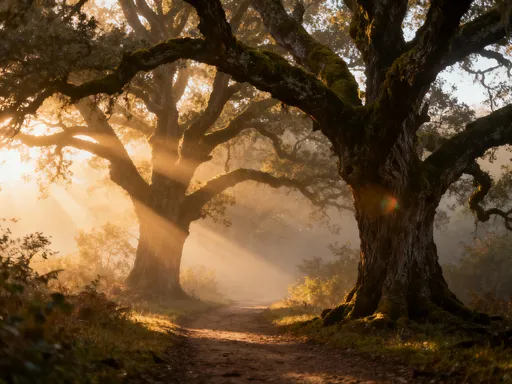
Nestled in the northern reaches of Bucharest, Băneasa Forest is a remnant of the ancient Plaiul Fânețe woodlands that once covered much of the region. Spanning approximately 70 hectares, it is one of the last surviving fragments of natural forest within the city limits. Unlike planted parks, Băneasa has old-growth characteristics, with centuries-old oak and hornbeam trees forming a dense canopy. The forest floor is rich with moss, fungi, and seasonal wildflowers such as wood anemones and bluebells. In early morning light, fog drifts between the trunks, creating an almost mystical atmosphere. This is not a manicured garden, but a living, evolving ecosystem that changes with the seasons.
Walking through Băneasa feels like stepping into another world. The sounds of traffic fade, replaced by birdsong and the occasional rustle of a squirrel or hedgehog. The forest supports a variety of wildlife, including bats, amphibians, and over 50 species of birds. Ornithologists have noted the presence of the middle spotted woodpecker and the garden warbler—species that require mature woodland to thrive. The forest also plays a role in carbon sequestration and air purification, benefiting the surrounding neighborhoods. Despite its ecological value, Băneasa faces pressure from nearby development, including road expansion and real estate projects. Conservationists have advocated for stronger protection, emphasizing that once lost, such habitats cannot be easily restored.
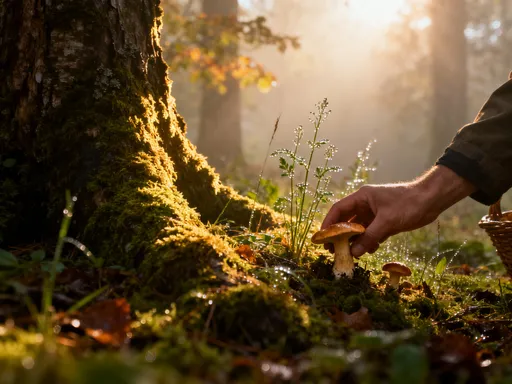
Visitors are encouraged to explore respectfully. Designated trails wind through the forest, but some are poorly marked, so carrying a map or using a GPS app is advisable. The best times to visit are early spring, when the understory blooms, and late autumn, when fallen leaves create a soft carpet underfoot. Winter mornings bring frost-covered branches and silence, ideal for meditation or photography. The forest is accessible by bus and metro, with the Băneasa station providing a short walk to the main entrance. Local groups organize guided walks and nature workshops, focusing on tree identification, mushroom foraging (with expert supervision), and forest conservation.
What makes Băneasa special is its duality—it is both wild and accessible. It does not require a full day’s journey or special equipment to experience. A two-hour walk here can be as rejuvenating as a hike in the mountains. For mothers, retirees, or anyone seeking a peaceful retreat, it offers a sanctuary within reach. By supporting preservation efforts and visiting mindfully, residents can help ensure that this green jewel remains a part of Bucharest’s future.
Practical Tips for Visiting Bucharest’s Natural Areas
Exploring Bucharest’s natural spaces is easier than many assume, but a little preparation goes a long way. Public transportation connects most major sites, including Herăstrău Park, Băneasa Forest, and the outskirts of Văcărești Nature Park. Lines 120, 138, and 302 buses serve Herăstrău, while Metro Line M2 stops near Băneasa. For Văcărești, bus 366 reaches the northern entrance. While some trailheads require a short walk from the last stop, the routes are well-traveled and safe. Ride-sharing apps and bicycles are excellent alternatives, especially for the Argeș River corridor, where parking is available in nearby villages.
The best times to visit are early morning or late afternoon, when temperatures are cooler and wildlife is most active. Weekdays tend to be quieter than weekends, offering a more serene experience. Spring and autumn are ideal seasons, with mild weather and vibrant natural displays. Summer visits should include sun protection, water, and light clothing, while winter outings require warm layers and waterproof footwear, especially on unpaved trails.
When packing, bring essentials: water, a small snack, a hat, and a light rain jacket. A reusable water bottle and snack container support eco-friendly practices. For birdwatching or photography, binoculars and a camera are recommended. A mobile phone with a GPS app or offline map can prevent getting lost, particularly in less-marked areas like the Argeș trails or the edges of Băneasa Forest. Always inform someone of your plans if venturing into more remote zones.
Safety and etiquette are equally important. Stay on designated paths to protect plant life and avoid disturbing animals. Do not feed wildlife, as this can alter natural behaviors. Littering is strictly discouraged—carry out all trash. Dogs should be kept on leashes to prevent chasing birds or small mammals. Respect quiet hours and avoid loud music or group activities in sensitive areas. These practices ensure that natural spaces remain welcoming for everyone and continue to thrive for future generations. By combining preparation with mindfulness, every visit becomes both enjoyable and responsible.
Why These Spaces Matter—For the City and the Soul
The forests, lakes, and wetlands around Bucharest are more than scenic escapes—they are essential components of a healthy urban environment. Scientific studies have consistently shown that access to green spaces improves mental well-being, reduces stress, and enhances cognitive function. For busy parents, working professionals, and retirees alike, a walk in nature offers a reset, a chance to breathe deeply and reconnect with oneself. These benefits are not abstract; they are felt in the quiet moments—a heron taking flight, sunlight filtering through leaves, the sound of water lapping against the shore. In a fast-paced world, such experiences ground us, reminding us of a slower, more balanced way of living.
Ecologically, these areas serve vital functions. They filter air and water, mitigate urban heat, and support pollinators and other species crucial to ecosystem stability. They act as carbon sinks, helping to offset emissions from traffic and industry. In an era of climate change and biodiversity loss, preserving urban nature is not a luxury—it is a necessity. Bucharest’s green spaces are part of a global movement recognizing that cities must coexist with nature, not dominate it. From Singapore’s garden city model to Berlin’s extensive forest parks, urban centers worldwide are reimagining their relationship with the natural world. Bucharest, with its accidental wilderness and resilient ecosystems, has a unique opportunity to lead in Eastern Europe.
But preservation requires collective action. It begins with awareness—seeing these spaces not as empty lots or unused land, but as living systems worthy of protection. It continues with responsible use—visiting with care, supporting conservation initiatives, and teaching children to value nature. Local organizations such as the Romanian Environmental Partnership and Green City Initiative offer volunteer programs, clean-up events, and educational workshops open to all. By participating, residents become stewards, helping to shape a greener, more sustainable future.
Adventure does not always require a passport or a mountain climb. Sometimes, it begins with a bus ride, a pair of walking shoes, and the willingness to look beyond the city’s surface. Bucharest’s secret forests and wild lakes are not hidden because they are inaccessible—they are hidden because we have not learned to see them. Once discovered, they offer not just beauty, but belonging. They remind us that nature is not separate from our lives, but woven into them. And in that realization lies both peace and purpose. So step outside, follow the trail, and let the city’s green heart welcome you home.