You Gotta Know These Shopping Spots Before Hitting Vladivostok
Vladivostok isn’t just Russia’s gateway to the Pacific—it’s a shopping goldmine hiding in plain sight. I never expected to find such vibrant markets, local boutiques, and Soviet-era charm all in one coastal city. From fresh Far Eastern flavors to unique handmade crafts, the shopping scene here is way more exciting than you’d think. Let me show you where to go, what to grab, and how to shop like a local without wasting time.
Why Vladivostok Deserves Your Shopping Attention
Vladivostok occupies a rare position where continents meet—not just geographically, but culturally and commercially. Nestled at the southeastern tip of Russia’s Primorsky Krai, it serves as a dynamic bridge between Europe and Asia. This port city’s long-standing trade ties with China, South Korea, and Japan have cultivated a marketplace identity unlike any other in Russia. While Moscow dazzles with grandeur and St. Petersburg thrives on imperial elegance, Vladivostok offers something quieter yet richer: authenticity shaped by maritime life, regional craftsmanship, and cross-border exchange. Travelers often overlook this city as merely a transit stop on the Trans-Siberian Railway, but those who pause discover a retail landscape layered with history, flavor, and local pride.
The city’s location along the Sea of Japan allows for a constant flow of goods that reflect both Russian traditions and East Asian influences. You’ll find Korean chili pastes next to smoked sturgeon, Japanese green teas sharing shelf space with Soviet-style candies. This blend isn’t accidental—it’s the natural outcome of decades of regional trade and migration. Markets brim with ingredients used in both Buryat soups and Korean kimchi, while clothing stores mix tailored Russian wool coats with lightweight Korean cotton blends ideal for humid summers. For the discerning traveler, especially women who appreciate quality, story, and practicality in their purchases, Vladivostok offers an under-the-radar treasure trove.
What makes shopping here particularly rewarding is its accessibility. Unlike tourist-heavy capitals where prices inflate near landmarks, Vladivostok retains a grounded, everyday rhythm. Locals shop with purpose, vendors speak plainly, and haggling remains a polite ritual rather than a high-stakes game. Whether you’re browsing for edible souvenirs or handmade keepsakes, the experience feels personal and unscripted. In a world where so many destinations feel sanitized for tourists, Vladivostok’s retail culture stands out as refreshingly real.
Primorsky Central Market: The Heartbeat of Local Flavor
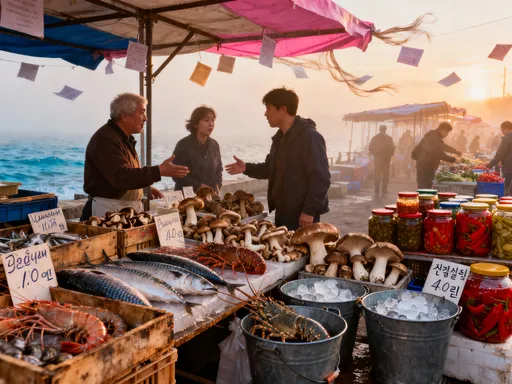
If there’s one place that captures the soul of Vladivostok’s shopping culture, it’s the Primorsky Central Market. Located in the heart of the city, this bustling indoor-outdoor complex has served as a daily hub for generations of residents. It’s not polished or modern—its charm lies precisely in its raw, unfiltered energy. As you step inside, your senses are immediately engaged: the briny scent of dried squid hangs in the air, mingling with the earthy aroma of wild mushrooms foraged from nearby forests. Rows of glass jars display bright pickled vegetables—many resembling Korean kimchi but with local twists using Far Eastern herbs and sea salt.
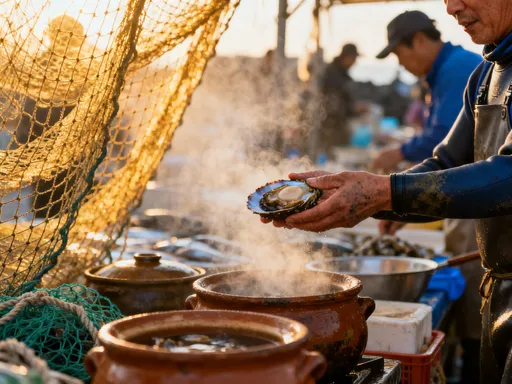
The market is divided into clear sections, making navigation intuitive even if you don’t speak Russian. The ground floor houses fresh produce—crates of apples from nearby orchards, bunches of green onions, and mounds of garlic. But it’s the seafood counters that draw the most attention. Here, you’ll see Pacific king crab legs stacked like firewood, whole octopus laid out on ice, and slabs of salmon still glistening from the morning catch. These aren’t just for show; locals buy them daily for home cooking. Vacuum-sealed fish and caviar packages are perfect for travelers wanting to bring authentic flavors home without spoilage concerns.
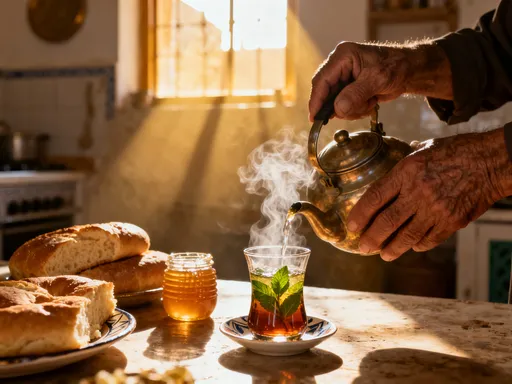
Equally compelling are the artisanal food stalls. Look for honey harvested from bees that feed on linden and wildflowers of the Sikhote-Alin mountains—its golden hue and floral notes make it a favorite among visitors. Herbal teas featuring eleuthero (Siberian ginseng), thyme, and pine bud extracts are sold in cloth bags or glass jars, often blended by elderly women who’ve passed down recipes through families. These natural remedies reflect the region’s deep connection to forest medicine and holistic wellness.
To shop like a local, arrive between 9 and 11 a.m. on weekdays when vendors are restocked and crowds are light. Bring small bills—vendors rarely carry change for large notes. While prices are generally fair, a gentle smile and modest negotiation can sometimes earn you an extra portion or a discount. Remember, respect goes a long way. Pointing silently isn’t polite; instead, say “Skolko?” (How much?) and wait for a response. Many older vendors appreciate when foreigners attempt basic Russian phrases, even if imperfectly. Above all, come with curiosity—not just to buy, but to connect.
Tikhookeanskaya Street: Urban Vibes and Everyday Finds
Stretching through the city center, Tikhookeanskaya Street is Vladivostok’s main commercial artery—a lively stretch where Soviet architecture meets Pacific Rim commerce. Unlike sterile shopping districts elsewhere, this street pulses with daily life. Residents pop into pharmacies for medicine, stop at kiosks for hot sunflower seeds, and browse bookstores for novels or children’s picture books. For the visiting shopper, it’s an ideal place to observe how locals live while picking up useful or charming items along the way.
What sets Tikhookeanskaya apart is its seamless blend of cultures. You might pass a pharmacy selling Russian-made herbal tinctures, then step into a Korean-owned skincare shop offering sheet masks and fermented essences popular across East Asia. Nearby, a traditional confectionery displays boxes of chocolate-covered marshmallows and nut-filled wafers—many bearing retro packaging that harks back to the Soviet era. These sweets make nostalgic gifts, especially for those with ties to the region’s past.
One standout stop is Melodiya, a small vinyl record store tucked between a bank and a dry cleaner. Inside, shelves are packed with original Soviet pressings—classical performances by Rostropovich, jazz records from the 1970s, and folk songs sung in Russian and indigenous languages. Even if you don’t collect records, browsing here feels like stepping into a museum of sound. The owner, usually an older man in a wool sweater, often plays soft music in the background and welcomes questions with quiet warmth.
Seasonal markets also pop up along this street, especially during winter holidays. Wooden kiosks appear selling handmade ornaments, woolen mittens, and spiced mulled wine. Children ride small carousels, and families gather to admire light displays. If you’re visiting in December, don’t miss the holiday bazaar near the central square—it’s one of the most heartfelt expressions of local cheer. For a mid-shopping break, seek out Uyu Chaya, a cozy tea house with wooden interiors and a menu listing over 30 varieties of tea—from smoky lapsang souchong to delicate white peony. Sipping tea here, watching snow fall outside the fogged-up windows, feels like a moment suspended in time.
Shopping Malls with a View: VMall and Aysberg
For travelers seeking climate-controlled comfort or international brands, Vladivostok’s modern malls offer a different kind of shopping experience. VMall and Aysberg represent the city’s contemporary side—clean, well-lit, and family-friendly. Both are located in newer districts but remain accessible by city bus or taxi. While they lack the grit and character of open-air markets, they provide reliable options for clothing, electronics, and dining—especially useful on rainy days or when traveling with children.
VMall, one of the largest in the city, spans multiple levels and hosts a mix of global and regional retailers. You’ll find familiar names like Zara and Samsung alongside Russian chains such as Bosco and Planet of Fashion. What makes VMall stand out is its attention to detail: clean restrooms, stroller rentals, and nursing rooms make it welcoming for mothers. The food court on the top floor features a range of options—from Russian pelmeni to Japanese ramen and Korean bibimbap—reflecting the city’s culinary diversity. A multiplex cinema shows both Hollywood blockbusters and Russian films, often with subtitles.
Aysberg, though slightly smaller, has a more boutique feel. It emphasizes local designers and seasonal pop-ups, particularly during fashion weeks or cultural festivals. Here, you might discover a young Vladivostok-based artist selling hand-dyed scarves inspired by ocean waves or a jeweler crafting pieces from local stones like jasper and serpentine. The mall also hosts weekend workshops—knitting circles, tea tastings, or calligraphy classes—many aimed at women seeking creative community.
Both malls offer free Wi-Fi, ample seating, and security personnel, making them safe spaces for solo shoppers. Parking is available, though weekends can get crowded. If you’re used to Western malls, expect fewer flashy promotions and more subdued energy—Russians tend to shop with purpose rather than leisure. Still, these centers are worth visiting not just for purchases, but for insight into how modern families in Vladivostok live and spend their free time. Just don’t let convenience pull you away from the city’s authentic markets—balance is key.
Hidden Gems: Small Boutiques and Artisan Stalls
Beyond the main streets and malls, Vladivostok reveals its most intimate shopping secrets in quiet neighborhoods and pedestrian zones. Wander through Tsentralny district or explore the Arsenyev Street promenade, and you’ll stumble upon small galleries, craft kiosks, and family-run boutiques that fly under the tourist radar. These spots may lack signage or online presence, but they offer some of the most meaningful souvenirs—pieces made with care, not mass production.
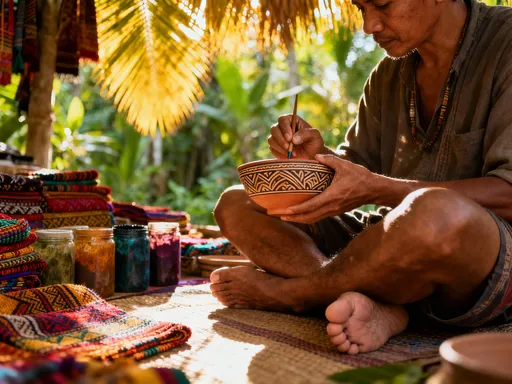
In the summer months, open-air artisan markets appear near the waterfront and in city parks. Look for stalls selling hand-printed postcards featuring vintage Vladivostok postmarks or illustrations of the Golden Horn Bridge. Some artists specialize in linocut prints of local wildlife—bears, deer, and sea eagles—inked on handmade paper. These make thoughtful, lightweight gifts. Jewelry makers often use recycled metals or incorporate traditional motifs from indigenous Udege and Nanai cultures, such as animal totems and river patterns.
One such artisan, Maria K., runs a tiny shop near the old theater where she sells felted wool bags dyed with natural pigments from local plants. Her work draws inspiration from the colors of the Far Eastern forest—deep moss green, twilight gray, and sunset red. She’s happy to explain her process in simple English and often lets customers touch the materials. Supporting creators like her ensures your purchase contributes directly to the local economy.
To tell genuine crafts from factory-made imitations, look for imperfections—slight variations in stitching, uneven dye lots, or hand-signed labels. Mass-produced souvenirs often come in uniform sets and are sold near train stations or tourist viewpoints. Authentic items usually cost a bit more but carry stories worth sharing. When in doubt, ask the maker about their process. Most are proud to talk about their work and will appreciate your interest.
What to Buy and What to Skip: A Traveler’s Cheat Sheet
Knowing what to bring home—and what to leave behind—can make all the difference in your Vladivostok shopping experience. Start with the essentials: vacuum-packed smoked fish, especially salmon and mackerel, travel well and are universally appreciated. Far Eastern herbal teas, such as those blended with lemongrass, pine bud, or eleuthero root, offer both flavor and wellness benefits. They’re lightweight, non-perishable, and fit easily into luggage.
For wearable souvenirs, consider a traditional ushanka hat made from sheepskin or rabbit fur—functional, warm, and stylish. Look for ones lined with wool rather than synthetic materials. Another unique option is Vladivostok 2000 beer, a local brew named after the city’s founding year. Its label features historic naval imagery, making it a conversation starter. Small bottles are easy to pack and often sold in sets.
On the other hand, avoid generic souvenirs near the main railway station—matryoshka dolls with no regional character, cheap magnets, or knockoff electronics. These are overpriced and lack authenticity. Similarly, be cautious with caviar unless purchased from reputable vendors at the central market or in sealed, labeled packages. Unregulated sellers may offer questionable quality or unsustainable sourcing.
Practical tips matter too. Carry cash—especially small denominations—as many market vendors don’t accept cards. Use a reusable tote bag to reduce plastic and stay organized. Before flying home, check your airline’s regulations on transporting food items, particularly seafood and honey. Most allow vacuum-sealed goods in checked luggage, but restrictions vary by country. When in doubt, declare items at customs to avoid issues.
Smart Shopping Tips: Timing, Transport, and Local Etiquette
To make the most of your shopping journey, a few logistical insights can go a long way. Timing is crucial: weekdays between 9 a.m. and 2 p.m. offer the best balance of full stalls and manageable crowds. Markets tend to wind down by late afternoon, and many close on Sundays. Malls, however, are busiest on weekends—arrive early if you want to avoid lines at fitting rooms or food courts.
Getting around is straightforward. Vladivostok’s public bus system covers major shopping areas, including the central market and Tikhookeanskaya Street. Tickets are inexpensive and can be bought from the driver. Taxis are widely available through apps like Yandex Go and are reasonably priced for short trips between districts. If you’re staying downtown, most key spots are within walking distance, though hills can be steep—wear comfortable shoes.
Safety is generally not a concern, but as in any city, keep your belongings secure. Avoid flashing expensive jewelry or phones in crowded markets. Use a crossbody bag with a zipper and keep it in front of you. While crime against tourists is rare, pickpocketing can occur in busy areas, especially during peak hours.
Understanding local shopping etiquette enhances your experience. Russians typically engage in minimal small talk with vendors—directness is valued over friendliness. Always show cash before asking “Skolko?” as it signals serious intent. If you decide not to buy, a simple “Spasibo” (thank you) suffices. Tipping isn’t expected in markets or shops, though a kind word or smile is always appreciated.
Conclusion: More Than Just a Pit Stop
Vladivostok deserves to be seen not just as a waypoint on a longer journey, but as a destination where every purchase tells a story. From the briny scent of Pacific seafood to the quiet craftsmanship of a hand-dyed scarf, shopping here becomes a form of cultural connection. It invites you to slow down, to look closely, and to carry home more than objects—carry home moments.
The city’s blend of Russian resilience and Pacific Rim grace creates a retail experience unlike any other in the country. Whether you’re drawn to the lively chaos of the central market or the thoughtful curation of a hidden boutique, Vladivostok rewards curiosity and respect. Its treasures aren’t loud or flashy, but they are deep and true.
So pack lightly, leave room in your suitcase, and come with an open heart. Let your shopping journey reflect your values—supporting local makers, choosing quality over quantity, and honoring the quiet dignity of everyday life in this coastal gem. When you return home, the items you bring back won’t just decorate shelves—they’ll spark memories, start conversations, and remind you of a place where East truly meets West, one thoughtful purchase at a time.