This Road Trip Through Oaxaca Blew My Mind – You Gotta Experience It
Driving through Oaxaca, Mexico, feels like flipping through the pages of a living travel journal—every turn reveals something vivid, unexpected, and deeply authentic. I hit the road with no rigid plan, just a full tank and curiosity. What I found were not just scenic routes, but vibrant markets, misty mountain trails, and flavors that explode with tradition. This journey wasn’t about ticking off landmarks—it was about feeling the rhythm of place, one open road at a time.
Why Oaxaca? The Allure of a Cultural and Natural Mosaic
Oaxaca is one of Mexico’s most culturally rich and geographically diverse states, offering a rare blend of indigenous heritage, artistic expression, and natural beauty. Unlike the more commercialized tourist zones along the coast, Oaxaca invites travelers into a slower, more intimate kind of exploration. The region is home to over 16 recognized indigenous groups, including the Zapotec and Mixtec, whose languages, textiles, farming practices, and spiritual traditions continue to shape daily life. This cultural continuity isn’t preserved behind glass—it’s lived, worn, cooked, and celebrated in weekly markets and village festivals.
What makes Oaxaca especially compelling for a road trip is its compact yet varied landscape. Within a few hours’ drive, you can move from highland valleys to cloud forests, pine-covered mountains, and even remote Pacific coastline. The state’s biodiversity is extraordinary—ranging from arid scrublands to lush high-altitude forests—and this ecological richness supports equally diverse ways of life. Artisan communities thrive in small towns where weaving, pottery, and wood carving are passed down through generations. Driving allows you to witness this living culture firsthand, engaging with it on your own terms, at your own pace.
Another advantage of a self-drive journey through Oaxaca is the ability to avoid the pressures of mass tourism. While Oaxaca City and Monte Albán attract international visitors, the surrounding villages and rural routes remain refreshingly untouched. You won’t find crowded souvenir shops or generic chain restaurants in the Sierra Norte or along the coastal backroads. Instead, you’ll stumble upon family-run fondas serving handmade tamales, elders weaving on foot looms in open-air workshops, and farmers selling fresh quelites at roadside stands. This authenticity is what draws many travelers to Oaxaca—it’s not a performance for tourists, but a genuine way of being.
Moreover, the infrastructure for independent travel has improved significantly in recent years. While some mountain roads remain unpaved and require caution, the main arteries connecting Oaxaca City to key destinations are well-maintained and clearly marked. Gas stations are available in larger towns, and mobile phone coverage has expanded, making navigation easier than ever. For travelers seeking both adventure and accessibility, Oaxaca strikes a rare balance. It rewards curiosity without demanding extreme hardship, offering depth without sacrificing comfort. Whether you're drawn by food, history, nature, or craft, a road trip through Oaxaca provides a deeply personal and immersive experience.
Planning the Drive: Routes, Timing, and Vehicle Choices
Successful road travel in Oaxaca begins with thoughtful planning. While the region is increasingly accessible, it still requires a level of preparation that differs from driving in more developed tourist areas. The first decision is choosing your route. Most travelers begin in Oaxaca City, a UNESCO World Heritage site and the cultural heart of the state. From there, three primary directions unfold: west toward the Central Valleys and archaeological sites, north into the Sierra Norte highlands, or south and southwest toward the Pacific coast. Each offers a distinct experience, and combining two or more creates a well-rounded journey.
For first-time visitors, a loop through the Central Valleys and Sierra Norte is highly recommended. This route covers ancient ruins, artisan villages, and eco-tourism destinations while remaining manageable within 5 to 7 days. Start with a day or two in Oaxaca City, then drive about 30 minutes to Monte Albán. From there, continue to Teotitlán del Valle for weaving demonstrations, then head north toward the mountain towns of the Sierra Norte. The road climbs steadily, offering sweeping views and cooler temperatures. After spending time hiking and staying in community-run lodges, you can return to the city via a different route, perhaps stopping in Arrazola to see alebrije carvings or in Tlacolula for its famous Sunday market.
Vehicle choice is another important consideration. In the city and on main highways, a compact rental car is perfectly adequate. These vehicles are fuel-efficient and easier to park in narrow streets. However, if you plan to explore the Sierra Norte or venture onto secondary roads, a four-wheel-drive SUV offers greater confidence, especially during the rainy season. While many mountain roads are now paved, some remain gravel or dirt, and conditions can change quickly after rain. Always check local conditions before setting out, and avoid driving at night in rural areas where lighting is minimal and animals may cross the road.
Timing is equally crucial. The best months for a road trip through Oaxaca are from November to April, during the dry season. During this period, daytime temperatures are mild, skies are clear, and roads are in optimal condition. The winter months can be cool, especially in the mountains, so packing layers is advisable. The summer months, from June to September, bring afternoon rains and higher humidity. While the landscape becomes greener and more vibrant, some roads may become slippery or temporarily impassable. If traveling during this time, allow extra time for delays and confirm road conditions with locals before heading out.
When planning your drive, it’s also wise to note fuel availability. Gas stations are common in Oaxaca City and larger towns like Tlacolula, Mitla, and Puerto Escondido. However, in remote mountain villages or along coastal backroads, fuel may be scarce. Fill up whenever you pass a station, especially before entering rural zones. Carrying a spare water supply, snacks, and a basic emergency kit—including a flashlight, first-aid supplies, and a physical map—is also recommended, even if you rely on GPS. Mobile service can be spotty in mountainous regions, so downloading offline maps in advance is a smart precaution.
Oaxaca City: Where History Meets Street Life
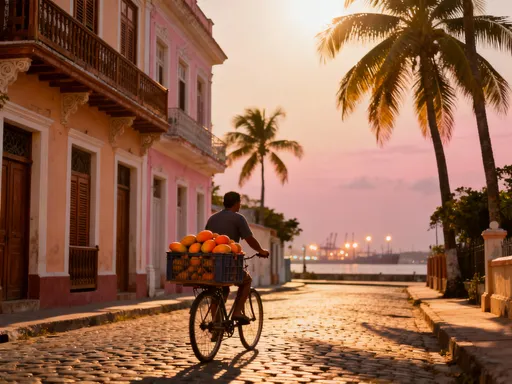
Oaxaca City is more than just a starting point—it’s a destination in its own right, a vibrant fusion of colonial elegance and indigenous vitality. Nestled in a broad valley surrounded by rugged hills, the city’s historic center is a maze of cobblestone streets, colorful buildings, and lively public squares. The air carries the scent of woodsmoke, roasting chiles, and freshly baked pan dulce. Every corner seems to hum with activity: musicians playing in the zócalo, vendors arranging baskets of fruit, and families gathering for evening strolls. Spending one or two days here before hitting the road allows travelers to acclimate, orient themselves, and begin absorbing the region’s cultural rhythm.
One of the best ways to experience Oaxaca City is on foot. The central district is compact and walkable, with key landmarks clustered within a few blocks. The Zócalo, or main square, is the city’s social heart, bustling from morning until late at night. Nearby, the Santo Domingo de Guzmán Church stands as a masterpiece of Baroque architecture, its golden interior glowing with intricate carvings and religious art. Adjacent to the church, the Ex-Convento de Santo Domingo now houses the Museo Cultural de las Mixtecas, offering insight into the region’s pre-Hispanic civilizations and colonial history.
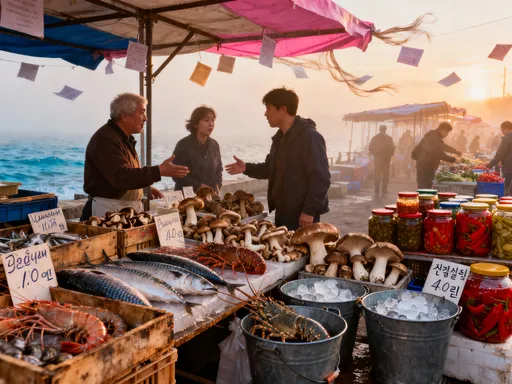
But perhaps the most unforgettable experiences in Oaxaca City happen in its markets. The Mercado 20 de Noviembre is a sensory explosion—rows of stalls piled high with spices, dried chiles, tropical fruits, and fresh cheeses. At the center, the famous “pasillo de humo” (smoke corridor) fills with the aroma of grilling meats as locals gather to eat tlayudas, often called “Oaxacan pizzas.” These large, crispy tortillas are topped with beans, cheese, avocado, and your choice of meat, then folded in half and grilled to perfection. Eating here isn’t just about food—it’s about immersion, about joining the flow of daily life.
For those interested in textiles, the Museo Textil de Oaxaca is a must-visit. Housed in a beautifully restored 18th-century building, the museum showcases traditional weaving techniques, natural dyes, and regional garments. Exhibits highlight the differences between Zapotec, Mixtec, and Chatino styles, and rotating displays often feature contemporary interpretations by local artisans. Even if you don’t consider yourself an art enthusiast, the museum offers a deeper understanding of the cultural significance behind the textiles you’ll see in village workshops throughout your trip.
Oaxaca City also serves as a hub for culinary discovery. Beyond the markets, numerous small restaurants and cooking schools offer classes in traditional dishes like mole negro, tamales, and memelas. Mole, in particular, is a point of pride—there are said to be seven main types in Oaxaca, each with its own blend of chiles, spices, nuts, and chocolate. Taking a cooking class not only teaches you how to recreate these flavors at home but also connects you with local cooks who share stories, family recipes, and cultural insights. These moments of exchange—over a shared meal or a pot of simmering sauce—are often what travelers remember most.
The Central Valleys: Pyramids, Potters, and Open Skies
Just a short drive from Oaxaca City, the Central Valleys unfold like a living museum of ancient and artisanal Mexico. This region is home to some of the state’s most iconic sites, where history, craft, and agriculture intertwine. The most famous of these is Monte Albán, a sprawling archaeological site that served as the political and ceremonial center of the Zapotec civilization for over a thousand years. Perched on a flattened mountaintop with commanding views of the valley, Monte Albán feels both awe-inspiring and serene. Walking among the pyramids, ball courts, and carved stone stelae, you can almost feel the presence of the people who once gathered here for rituals, trade, and governance.
Visiting Monte Albán early in the morning is ideal—temperatures are cooler, the light is soft, and the site is less crowded. As the sun rises, it casts golden hues across the stone structures, illuminating intricate carvings and hieroglyphs. Informative signs in Spanish and English help explain the site’s history, but hiring a local guide, even for a short time, adds depth to the experience. Many guides are from nearby villages and speak with passion about their ancestors’ achievements. They can point out details you might otherwise miss—like the significance of the Danzantes stones, which depict captives from rival groups, or the astronomical alignments of certain buildings.
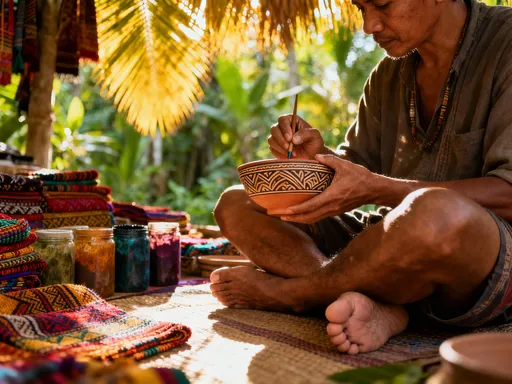
From Monte Albán, a scenic drive leads to several artisan villages, each known for a specific craft. Teotitlán del Valle, about 30 minutes away, is world-renowned for its handwoven wool rugs. The village has practiced this art for centuries, using natural dyes made from cochineal insects, indigo, and local plants. Many families welcome visitors into their homes and workshops, where you can watch weavers at their looms and learn about the dyeing process. Purchasing a rug directly from an artisan not only supports the local economy but also ensures you’re getting an authentic piece, not a mass-produced imitation.
Another stop worth making is San Bartolo Coyotepec, famous for its barro negro, or black clay pottery. The smooth, metallic-looking vessels are made using a unique polishing technique that creates a distinctive sheen. Visitors can tour family workshops, see potters shaping bowls, vases, and decorative figures on spinning wheels, and even try their hand at molding clay. These interactions go beyond shopping—they’re moments of cultural exchange, where travelers gain appreciation for the skill and patience behind traditional crafts.
The Central Valleys also offer a chance to witness rural life in motion. Along the roads, you’ll see farmers working in milpa fields, growing corn, beans, and squash using methods passed down for generations. In villages like Tlacolula, the weekly market draws people from surrounding areas to trade goods, share news, and enjoy food. These markets are not staged for tourists—they’re essential to the local economy and social fabric. Wandering through them, you’ll find handmade baskets, medicinal herbs, fresh produce, and live animals, all arranged in vibrant, chaotic rows. It’s a reminder that in Oaxaca, tradition isn’t a relic—it’s a living, breathing way of life.
Sierra Norte Escapes: Forests, Fog, and Eco-Adventure
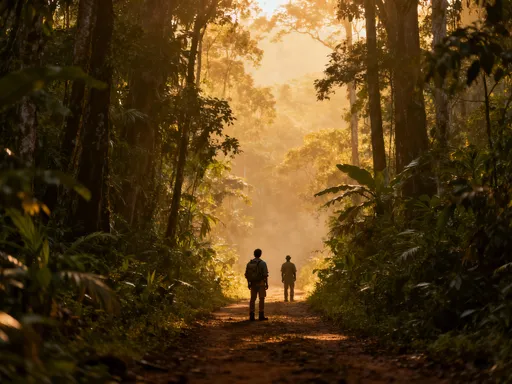
Leaving the valley behind, the road climbs into the Sierra Norte, a mountainous region of pine forests, cool breezes, and mist-shrouded trails. This area is part of the larger Sierra Madre del Sur range and offers a dramatic contrast to the warmer, drier climate of Oaxaca City. The elevation, which ranges from 6,000 to 8,000 feet, brings refreshing temperatures and lush vegetation. Here, the pace of life slows even further, and the connection to nature feels profound. The Sierra Norte is home to several indigenous communities that have come together to create the Pueblos Mancomunados, a network of eco-tourism initiatives designed to preserve both the environment and cultural heritage.
The Pueblos Mancomunados includes villages like Cuajimoloyas, Benito Juárez, and La Nevería, each offering simple but comfortable accommodations in community-run lodges. These lodges are built with local materials and blend into the landscape, providing a sustainable alternative to conventional hotels. Staying in one supports the local economy directly, with income used to maintain trails, fund education, and protect the forest. The trails themselves are well-marked and maintained, winding through cloud forest, past waterfalls, and across wooden footbridges. Hiking here is peaceful and accessible, with routes ranging from gentle walks to more challenging climbs.
Birdwatching is a major draw in the Sierra Norte, as the region is home to over 300 species, including the resplendent quetzal, trogons, and various warblers. Early morning hikes often yield the best sightings, as birds are most active at dawn. Even casual observers will be struck by the diversity of song and color. Local guides, many of whom are trained through conservation programs, enhance the experience with their knowledge of bird calls, plant uses, and forest ecology. Their presence also ensures that visitors follow responsible practices, such as staying on trails and minimizing noise.
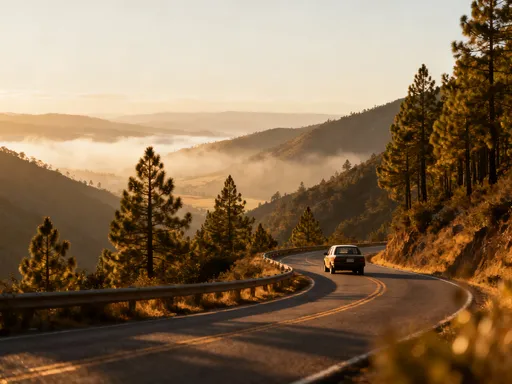
Driving through the Sierra Norte requires attention, as the roads are narrow and winding. While the main route is paved, some access roads to individual villages are gravel or dirt. A four-wheel-drive vehicle is recommended, especially during the rainy season. However, the drive itself is part of the experience—winding through foggy passes, spotting deer or foxes darting across the road, and passing small farms where children wave from the roadside. Gas stations are scarce, so it’s essential to refuel before entering the mountains. Cell service is limited, so downloading maps and sharing your itinerary with someone before departure is a wise safety measure.
One of the most rewarding aspects of visiting the Sierra Norte is the sense of quiet and connection. There are no loud resorts or crowded attractions—just the sound of wind in the pines, the rustle of leaves, and the occasional call of a distant bird. Meals are simple but nourishing, often featuring locally grown vegetables, handmade tortillas, and herbal teas. Evenings are spent around wood stoves, sharing stories with hosts or fellow travelers. It’s a rare opportunity to unplug, reflect, and reconnect with the natural world.
Coastal Detour: Sun, Sand, and Low-Key Charm
For those craving a change of scenery, a detour to the Oaxacan coast offers a refreshing contrast to the highlands. While the heart of Oaxaca lies inland, the Pacific coastline provides a chance to relax, swim, and enjoy fresh seafood in laid-back beach towns. The two most accessible destinations are Puerto Escondido and Huatulco, each with its own character. Puerto Escondido is known for its powerful surf and bohemian vibe, attracting surfers and backpackers. Huatulco, on the other hand, is more developed, with nine protected bays, eco-friendly resorts, and calm waters ideal for swimming and kayaking.
The drive from Oaxaca City to the coast takes about four to five hours, depending on the route. The roads are paved and generally in good condition, though the descent into the coastal plain involves steep, winding sections that require careful driving. Once you arrive, the climate shifts dramatically—temperatures rise, humidity increases, and the air carries the salty tang of the sea. In Puerto Escondido, Playa Zicatela is famous for its long, rolling waves, but there are also calmer beaches like Playa Carrizalillo, tucked into a cove and accessible by stairs. Local seafood shacks serve grilled fish, ceviche, and coconut rice, often eaten on plastic chairs under palm-thatched roofs.
Huatulco offers a more structured experience, with designated beaches, walking trails, and organized tours. The Bahías de Huatulco National Park protects a significant stretch of coastline and tropical dry forest, making it a haven for wildlife. Visitors can take boat tours to see dolphins, hike through the jungle, or snorkel in clear waters. While Huatulco is more tourist-oriented than Puerto Escondido, it still maintains a low-key atmosphere, especially in the less-visited bays. Staying in a locally owned guesthouse or eco-lodge allows for a more authentic experience than large all-inclusive resorts.
It’s worth noting that the Oaxacan coast is not the main attraction of a road trip through the region. The beaches are beautiful, but they don’t define Oaxaca in the way that its cultural and mountain landscapes do. For many travelers, a coastal stop serves as a brief interlude—a chance to rest, swim, and enjoy the sea before returning inland. It adds variety to the journey but doesn’t overshadow the deeper cultural experiences found in the valleys and highlands. Still, for families or those who enjoy beach time, a few days by the ocean can be a welcome balance to days of hiking and sightseeing.
Behind the Wheel: Reflections on Freedom, Connection, and Travel Done Right
As the engine cooled and I parked for the final time in Oaxaca City, I realized that the journey had changed me in subtle but lasting ways. It wasn’t just the places I’d seen or the food I’d eaten—it was the feeling of moving through the world with intention and openness. Driving through Oaxaca offered more than convenience; it offered agency. I could stop when I wanted, linger where I felt drawn, and follow a conversation down an unexpected path. There was no fixed schedule, no tour bus waiting, no pressure to keep up. Instead, there was space—to think, to observe, to connect.
What struck me most was how often genuine moments arose from simple choices: pulling over for a basket of fresh fruit, accepting an invitation to see a weaving demonstration, or sharing a meal with a family in a mountain village. These weren’t transactions; they were exchanges of trust and curiosity. In a world where travel can sometimes feel transactional—booked, filtered, optimized—Oaxaca reminded me that the best experiences are often unscripted. They come from slowing down, saying yes, and being present.
The road, in this sense, became more than a path from one place to another. It became a teacher. It taught patience—on winding mountain roads, in slow-moving markets, in conversations where language was imperfect but meaning was clear. It taught humility—standing before ancient pyramids, hearing elders speak in Zapotec, watching artisans create beauty from simple materials. And it taught gratitude—for clean air, for warm bread, for a stranger’s smile.
Traveling through Oaxaca by car is not about covering distance. It’s about depth. It’s about choosing curiosity over convenience, connection over consumption. It’s about recognizing that culture isn’t something you consume—it’s something you participate in, even in small ways. Whether you’re tasting a handmade tamal, learning to weave a few threads, or simply sharing silence with a local as you watch the sun set over the valley, you’re part of something larger.
For women in their thirties, forties, and fifties—many of whom carry the quiet weight of responsibility, routine, and caregiving—this kind of journey can be especially transformative. It offers a rare chance to step outside roles, to reclaim time, to remember who you are beyond duty. Oaxaca doesn’t demand adrenaline or extravagance. It asks only for presence. And in return, it gives richness—not in souvenirs, but in feeling. A road trip through Oaxaca isn’t just a trip. It’s a reminder that the world is still full of wonder, and that sometimes, all you need is a map, a car, and the courage to drive toward it.