What Happens When You Hit the Road with Hunger in Ras Al Khaimah?
Driving through Ras Al Khaimah isn’t just about desert views and mountain passes—it’s a backseat snack adventure that turns into a full-on culinary road trip. I didn’t expect my self-drive journey to become a hunt for the best local flavors, but there it was: steaming manaeesh from roadside ovens, fragrant kebabs at dusk, and cardamom-laced coffee served with genuine warmth. This is food culture you can’t Google—only discover with wheels, curiosity, and an empty stomach.
The Open Road, Full Belly: Why Self-Driving Fuels Food Discovery
There is a unique rhythm to traveling by car in Ras Al Khaimah—one that allows spontaneity to guide the journey as much as any map or itinerary. Unlike structured tours or hotel-bound dining experiences, driving independently opens the door to unscripted culinary moments. The freedom to stop on a whim, follow the scent of charcoal grills, or pause at a roadside cart tucked between palm groves transforms the simple act of eating into an exploration. This kind of discovery is not possible when bound by schedules or fixed routes. With your own vehicle, you gain access to places that don’t appear on tourist maps: a family-run stall selling fresh camel milk near a desert trailhead, a small bakery in a mountain village where women knead dough at dawn, or a fisherman grilling the morning’s catch on the edge of a quiet inlet.
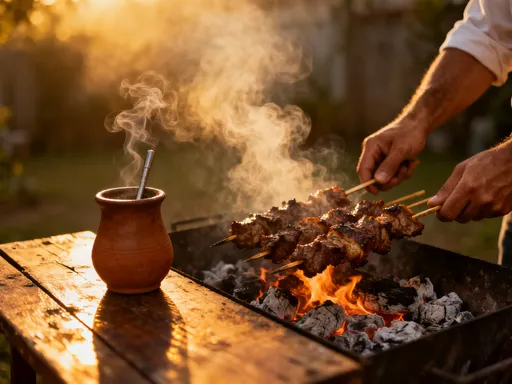
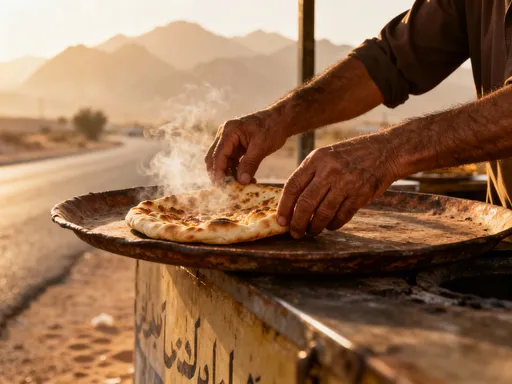
One of the most rewarding aspects of self-driving in Ras Al Khaimah is the ability to respond to local cues. A plume of smoke rising from a roadside firepit might signal freshly grilled kebabs. A cluster of cars pulled over near an unmarked structure could mean homemade bread straight from a clay oven. These are not tourist traps—they are everyday food traditions that thrive beyond the spotlight. For example, after a morning hike in Wadi Showka, many drivers find themselves drawn to a small stone hut where a man serves warm flatbreads with spiced ghee and date syrup. There’s no sign, no menu, and no credit card machine—just hospitality and flavor passed down through generations.
The flexibility of a self-drive journey also allows for deeper engagement with the landscape. You can detour to Dhayah Fort, perched on a red-rock hill, and reward yourself afterward with a stop at a nearby farm stand offering fresh figs and laban. Or you might follow a local’s recommendation to visit a hidden coastal stretch near Al Jazirah Al Hamra, where fishermen sell their daily haul directly from wooden boats. These moments are not just about eating—they are about connecting with the land and its rhythms. The car becomes more than a mode of transport; it becomes a vessel for cultural immersion, where every mile driven brings a new opportunity to taste, learn, and remember.
Flavors of the Emirate: Understanding Ras Al Khaimah’s Culinary Identity
Ras Al Khaimah’s cuisine is a quiet testament to centuries of tradition, shaped by geography, climate, and community. Unlike the glitzy, fusion-heavy dining scenes of larger Gulf cities, this emirate’s food culture remains rooted in authenticity. It is not designed for spectacle or social media—it is the food people eat at home, at family gatherings, and during daily life. At its core, RAK’s culinary identity blends Gulf Arab traditions with strong Bedouin influences and subtle infusions from South Asian communities that have lived here for generations. This is not fusion cuisine in the modern sense, but rather a natural evolution of flavors shaped by migration, trade, and shared living.
Staple ingredients speak volumes about the environment. Saffron, prized for its aroma and color, is used in rice dishes like kabsa and machboos, often cooked with lamb or chicken. Dates, grown in abundance in the emirate’s oases, are eaten at breakfast, used in desserts, and offered to guests as a gesture of welcome. Camel milk, once a survival food for desert travelers, is now celebrated for its nutritional value and is often consumed plain or in traditional preparations like qahwa, a spiced coffee infused with cardamom and saffron. Grilled meats—especially lamb and chicken—are central to meals, reflecting the pastoral heritage of the region.
Geography plays a defining role in what ends up on the plate. Coastal communities rely heavily on the sea, with hammour (grouper), kingfish, and shrimp forming the backbone of local diets. These are typically grilled simply, seasoned with salt, lemon, and herbs, and served with rice or flatbread. In contrast, mountain villages in the Hajar range favor slow-cooked stews like harees, where wheat and meat are simmered for hours until they form a creamy, comforting porridge. Flatbreads such as taboon and regag are baked in wood-fired ovens and served with honey, cheese, or spiced oils. Even the water source matters—fresh mountain springs feed date farms and support small-scale agriculture, contributing to the freshness of local produce.
What makes RAK’s food culture so special is its lack of pretense. There are no celebrity chefs or Michelin-starred restaurants here. Instead, the best meals are found in modest settings: a family kitchen opening its door to travelers, a roadside café with plastic chairs and a view of the desert, or a Friday market where women sell homemade pastries from cloth-covered trays. This is food as it has always been—nourishing, communal, and deeply tied to place.
Urban Bites: Sharjah Border Eats and City Market Secrets
While Ras Al Khaimah may be known for its natural beauty, its urban edges offer some of the most authentic food experiences in the region. Areas like Al Nakheel and Al Hamra, located near the border with Sharjah, serve as daily life hubs where locals shop, eat, and gather. These are not tourist zones, but living neighborhoods where culinary traditions thrive in plain sight. A morning drive through Al Nakheel might lead you to a small bakery where the air is thick with the scent of frying dough. Here, bakers pull fresh samosas from oil, their golden crusts crackling as they cool on wire racks. Inside, women wrap paratha by hand, layering butter and flour to create flaky, golden spirals perfect for dipping in dal or chutney.
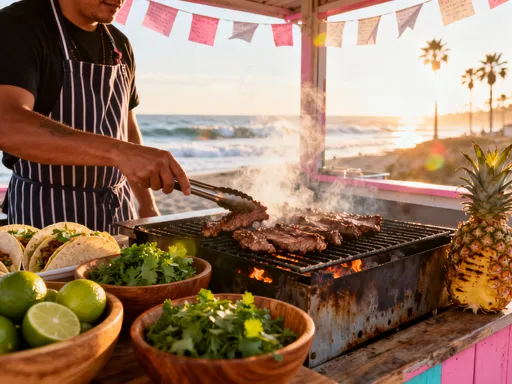
Weekend markets in these areas draw families from across the emirate, turning food into a social event. Shawarma carts line the sidewalks, their vertical spits rotating slowly as vendors shave off thin slices of marinated meat. The best ones use a blend of chicken and beef, seasoned with turmeric, cumin, and garlic, then wrapped in warm khubz with pickles, tomatoes, and tahini. Lines form early, and the high turnover ensures freshness. These are not gourmet versions—they are honest, hearty meals meant to satisfy hunger, not impress critics.
For those willing to explore beyond the main roads, residential neighborhoods hide gems like home-based eateries and family-run grocery stalls. One such spot, tucked behind a row of villas in Al Hamra, is known for its fresh balaleet—a sweet and savory Emirati breakfast dish made with vermicelli, eggs, and saffron. The owner, a grandmother who has been cooking for over forty years, serves it from her garage every Friday morning. She doesn’t advertise, but word spreads quickly. Cash is the only payment, and customers sit on low stools under a shaded awning, sharing stories over steaming plates.
Timing and observation are key to navigating these urban food scenes. The best bakeries sell out by mid-morning, and fish markets are busiest just after dawn when the boats return. A useful tip is to watch for crowds—high turnover usually means freshness. Also, many of these places operate on a cash-only basis, so it’s wise to keep small bills on hand. And while menus are rare, pointing and smiling often works just fine. The food here isn’t about presentation or innovation—it’s about tradition, flavor, and the simple joy of eating well.
Mountain Menus: Dining at Elevation in Jebel Jais
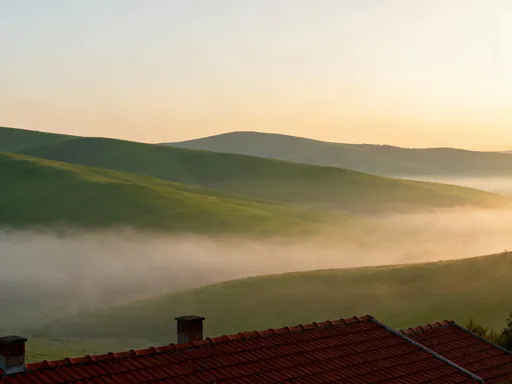
As the road climbs into the Hajar Mountains, the air cools and the landscape shifts from sand to stone. Jebel Jais, the UAE’s highest peak, is not just a destination for thrill-seekers riding the famous zipline—it’s also a place of quiet culinary moments. Along the winding drive, small roadside cafes appear like oases, offering warm drinks and snacks to travelers catching their breath. These are not fancy establishments, but simple shelters with plastic chairs and views that stretch for miles. The menu is always short: Arabic coffee, tea, dates, and sometimes a plate of cheese and bread. But in this setting, even the simplest meal feels like a ritual.
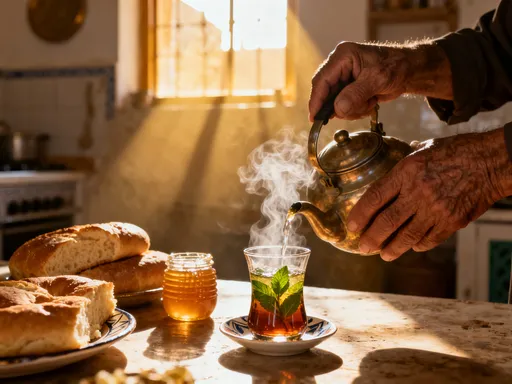
One of the most cherished experiences is stopping at a café near the Jais Observation Deck just before sunset. Here, visitors sip karak tea—strong, sweet, and spiced with cardamom—while watching the light fade over the valleys. The tea is poured from a large metal pot, and the owner often adds an extra spoon of sugar “for energy,” he says with a smile. Dates are served in woven baskets, their sticky sweetness balancing the heat of the tea. Some travelers bring their own picnics—fresh manakish bread from a village bakery, goat cheese wrapped in cloth, and jars of date molasses—unfolding their feast on car hoods as the wind hums through the cliffs.
The Jais Sky Café, located near the summit, takes this mountain dining experience a step further. While it offers modern amenities, it remains committed to local flavors. The menu features dishes made with ingredients sourced from nearby farms, including mountain-grown herbs and free-range eggs. A popular choice is the slow-cooked lamb stew, served with regag bread that soaks up the rich broth. Even the desserts highlight regional tastes, such as a rosewater-scented pudding topped with crushed pistachios. What makes this place special is not just the food, but the way it connects you to the environment—every bite feels earned after the climb.
For those who hike the trails or visit the cooler months, warmth becomes a necessity. After a windy trek to the peak, a bowl of lentil soup or a hot sandwich filled with grilled vegetables and cheese can feel like a gift. Local farmers have begun experimenting with high-altitude agriculture, growing strawberries, mint, and even honey in the mountain microclimate. These products occasionally appear at roadside stands, sold by the growers themselves. Buying a jar of Jais honey isn’t just a souvenir—it’s a taste of the thin, crisp air and sun-drenched slopes that make this place unique.
Coastal Cravings: Sea-to-Table Freshness Along the Shoreline
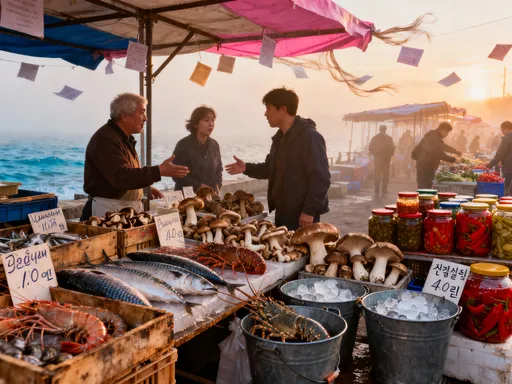
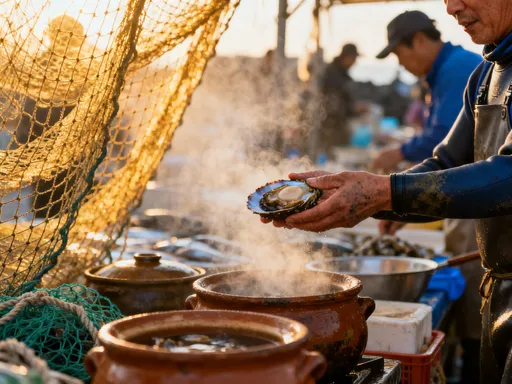
The coastline of Ras Al Khaimah is a living larder, where the sea provides daily sustenance in the most direct way possible. In fishing villages like Al Jazirah Al Hamra and Rams, tradition runs deep, and the rhythm of life is tied to the tides. Here, there are no elaborate seafood restaurants—just simple, open-air setups where fishermen sell their catch straight from the boat. You won’t find a menu, because the choice is always the same: whatever was pulled from the water that morning. Hammour, kingfish, and shrimp glisten on ice, their freshness undeniable.
What makes these coastal food experiences so powerful is their simplicity. You select a fish, point to how you’d like it cooked—usually grilled—and wait as it’s cleaned, seasoned, and placed over hot coals. Within minutes, it’s served on a paper plate with a side of rice or bread. Eating it on the dock, with your feet dangling above the water and the sun dipping below the horizon, becomes a multisensory moment. The salt in the air, the sound of waves, the warmth of the fish in your hands—it all combines into a meal that feels elemental.
In Rams, a small community on the northern tip of the emirate, traditional fishing methods are still in use. You might see wooden dhows returning at dawn, their nets heavy with the night’s haul. Some families run informal grills where visitors can buy fish by the kilo and have it cooked on the spot. Others sell dried fish and shrimp, preserved the old way—sun-dried and salted—for use during leaner months. These practices are not for show; they are part of a sustainable relationship with the sea that has lasted for generations.
Seasonality plays a big role in what’s available. Crab season, for instance, brings a surge of activity, with locals gathering along the shore to catch blue crabs from rocky crevices. These are often boiled simply with salt and served with lemon wedges. In summer, when the waters are calmer, you might find more squid and octopus, grilled with olive oil and garlic. Even the way people eat reflects tradition—using hands instead of utensils, sharing food from a central plate, and sipping on chilled laban to cut through the richness. These are not dining rules, but natural habits passed down through families, reinforcing the idea that food is not just fuel, but a way of being together.
Fueling the Journey: Road Trip Snacks and Pit Stop Rituals
While full meals are memorable, it’s often the small bites between destinations that define a road trip. In Ras Al Khaimah, petrol stations and roadside kiosks are more than refueling stops—they are snack sanctuaries. Here, drivers stock up on laban, the tangy yogurt drink that cools the body in desert heat. Small plastic bottles of qamar al-din, made from apricot pulp and water, are another favorite—sweet, refreshing, and surprisingly energizing after hours behind the wheel. These are not just convenience foods; they are cultural staples, carried in car coolers and shared among passengers like ritual offerings.
Dates are perhaps the most universal road snack. Sold in woven boxes or plastic bags at nearly every stop, they provide quick energy and satisfy sweet cravings without artificial ingredients. Drivers often keep a box within reach, offering them to passengers as a gesture of hospitality. Spiced nuts—almonds and cashews roasted with cumin, chili, and salt—are another popular choice, their bold flavors cutting through the monotony of long drives. Some travelers bring their own mixes, combining roasted fava beans, dried limes, and sesame seeds for a truly local flavor.
One of the most beloved treats is chebakia, a flower-shaped pastry deep-fried and soaked in honey. It’s especially common during Ramadan, but many roadside vendors sell it year-round. Sharing a pack of chebakia with travel companions turns a routine pit stop into a moment of connection. The sticky sweetness, the laughter over sticky fingers, the way someone always forgets a napkin—these are the small joys that make a journey memorable.
Building a local-style road snack pack is easy and rewarding. Start with a cooler: add bottles of water, laban, and qamar al-din. Include a mix of dates—Medjool for richness, khalas for balance. Add a bag of spiced nuts and a packet of chebakia or ka’ak, a ring-shaped biscuit often flavored with sesame or anise. Wrap some fresh manakish from a morning bakery in foil to stay warm. With this arsenal, you’re ready for any detour, delay, or spontaneous adventure. These snacks are more than sustenance—they are edible markers of culture, each bite carrying the taste of tradition.
Beyond the Plate: How Food Connects You to Place and People
In Ras Al Khaimah, food is never just about nourishment. It is a bridge—to the land, to history, and to the people who call this place home. Some of the most meaningful moments on the road come not from sightseeing, but from sharing a meal with locals. A simple “thank you” after accepting a cup of coffee can lead to a conversation about family, farming, or the best time to visit the mountains. Asking for a recommendation—“What do you eat here?”—often results in an invitation to try something homemade, still warm from the stove.
Eating like a local deepens the experience in subtle but powerful ways. Using your right hand to scoop rice, saying “taqabal Allah” after a meal (a phrase meaning “may God accept it,” used to thank the host), or accepting a second helping even when full—these gestures show respect and openness. They signal that you are not just passing through, but engaging with the culture on its own terms. In return, people open up. A fisherman might explain how he chooses his nets. A baker might show you how to shape dough for manaeesh. These are not performances—they are everyday acts of generosity.
Meals become memory anchors. Years later, you may not remember every landmark, but you’ll recall the taste of grilled hammour on a wooden dock, the warmth of cardamom coffee after a desert drive, or the sound of laughter around a roadside table. These moments stay with you because they are real, unfiltered, and human. In a world where travel can feel increasingly curated, Ras Al Khaimah offers something rare: the chance to eat, live, and connect in ways that feel authentic.
Ultimately, self-driving through this emirate is not just about seeing new places—it’s about experiencing them through taste. Every bite tells a story of land and sea, of tradition and resilience, of people who have lived in harmony with their environment for centuries. When you let hunger guide your journey, you don’t just find food—you find connection, meaning, and a deeper understanding of what it means to travel well.
Conclusion
Self-driving through Ras Al Khaimah transforms eating into an adventure of its own—one where every turnoff leads to flavor, every meal tells a story, and every bite connects you more deeply to the land and its people. This isn’t just travel; it’s taste-driven discovery at its finest. From the mountain peaks of Jebel Jais to the quiet fishing docks of Rams, the emirate offers a culinary journey that is authentic, unpretentious, and deeply rooted in daily life. There are no celebrity chefs, no fusion gimmicks, no Instagram-driven trends—just real food, made by real people, in places that value hospitality over spectacle. By choosing to drive, you gain the freedom to explore at your own pace, to follow your curiosity, and to stop wherever hunger strikes. And in doing so, you don’t just see Ras Al Khaimah—you taste it, feel it, and carry it with you long after the journey ends.