Why Less Salt Feels Like a Game Changer — My Science-Backed Journey
Cutting back on salt sounded boring—until my blood pressure dropped and my energy lifted. What started as a doctor’s suggestion turned into a lifestyle shift backed by real science. Turns out, too much sodium doesn’t just make you thirsty; it quietly stresses your heart and blood vessels. This isn’t about extreme restrictions, but smarter choices that actually taste good. Here’s how I made the switch—and why it might be one of the most effective things you can do for long-term wellness.
The Hidden Problem: Where Salt Lurks in Your Daily Diet
Most people assume that the salt they sprinkle from the shaker is the main source of sodium in their diet. But in reality, that small container on the kitchen table contributes only a fraction of daily intake. The bigger issue lies in processed and restaurant foods, where salt is used not just for flavor but also as a preservative and texture enhancer. Packaged meals, deli meats, canned soups, and even breakfast cereals often contain surprisingly high levels of sodium. A single slice of store-bought bread, for example, can carry 150 to 200 milligrams of sodium—something few consider when counting intake.
The World Health Organization recommends no more than 2,000 milligrams of sodium per day, while the American Heart Association advises an ideal limit of 1,500 milligrams for most adults, especially those with elevated blood pressure. Yet, average consumption in many Western countries exceeds 3,400 milligrams daily. That’s more than double the recommended amount. This gap isn’t due to people over-salting at home—it’s the cumulative effect of seemingly harmless choices. A frozen dinner, a fast-food sandwich, or a bowl of instant noodles can each pack over 1,000 milligrams in one sitting.
Consider a typical weekday lunch: a turkey and cheese sandwich on white bread with a side of chips. Without any added salt, this meal can easily surpass 1,800 milligrams. Add ketchup, mustard, or a pickle, and the total climbs higher. These foods are convenient, familiar, and often marketed as part of a balanced diet, but their sodium content tells a different story. The danger lies in how unnoticeable this excess becomes over time. You don’t feel ill after one high-salt meal, so the habit slips under the radar—until the body begins to signal that something is off.
Why Your Body Reacts: The Science Behind Sodium and Fluid Balance
Sodium plays a vital role in the body’s fluid regulation. It helps maintain the balance of water inside and outside cells, supports nerve transmission, and enables muscle contractions. However, when sodium levels rise beyond what the body needs, the natural equilibrium is disrupted. The bloodstream pulls in more water to dilute the excess sodium, increasing blood volume. This process is governed by osmotic pressure—essentially, the body’s way of keeping salt concentrations stable. But with more fluid in circulation, the heart must work harder to pump blood, and pressure against the walls of arteries rises.
Imagine a garden hose with a steady flow of water. Now imagine cranking up the pressure. The hose still functions, but over time, the material weakens, and small cracks may form. Similarly, sustained high blood pressure damages the delicate lining of blood vessels. This damage creates sites where plaque can accumulate, raising the risk of atherosclerosis, heart attack, and stroke. Research published in peer-reviewed journals such as The New England Journal of Medicine and Hypertension consistently links high sodium intake to elevated cardiovascular risk, particularly in individuals with a genetic predisposition or existing hypertension.
The body does attempt to compensate. The kidneys filter out excess sodium, but their capacity is limited, especially when intake is chronically high. Over time, this strain can reduce kidney efficiency, creating a feedback loop that further elevates blood pressure. Additionally, high sodium levels can stiffen blood vessels and impair their ability to expand and contract properly. These changes often occur silently, without symptoms, which is why hypertension is sometimes called the “silent killer.” The damage accumulates over years, making early intervention critical.
It’s important to note that this isn’t just a concern for older adults. Younger individuals with high-salt diets may already be setting the stage for future health problems. The good news is that the body responds quickly to reductions in sodium. Clinical trials have shown that lowering intake—even modestly—can lead to measurable drops in blood pressure within weeks. This responsiveness underscores the power of dietary choices as a preventive tool, not just a corrective measure.
Signs You Might Be Eating Too Much Salt
While high blood pressure is the most well-known consequence of excessive sodium, the body often sends earlier, subtler signals. Frequent thirst is one of the most common indicators. When sodium levels rise, the brain triggers a thirst response to encourage fluid intake and restore balance. If you find yourself constantly reaching for water, especially after meals, it may be a clue. Another sign is bloating or puffiness, particularly in the hands, feet, or face. This occurs because the body retains fluid to dilute sodium, leading to temporary swelling.
Unexplained fatigue can also be linked to high salt intake. While it may seem counterintuitive, the strain on the cardiovascular system can reduce overall energy. When the heart works harder to circulate extra fluid, less oxygen-rich blood reaches muscles and organs efficiently. Over time, this can contribute to a persistent sense of tiredness, even with adequate sleep. Some people report improved energy levels within days of cutting back on salt—long before any changes in blood pressure readings.
It’s crucial to understand that these symptoms don’t always appear in obvious ways. Many individuals feel perfectly fine until a routine checkup reveals elevated blood pressure or another cardiovascular marker. This was true in my own experience. I was active, maintained a healthy weight, and ate what I thought was a balanced diet. Yet, during a standard physical, my doctor noted that my blood pressure was in the prehypertensive range. There were no dramatic warning signs—just a quiet shift that had gone unnoticed. That moment was a wake-up call.
Another misconception is that sodium overload is only a concern for people with weight issues. But research shows that even individuals with normal body mass index (BMI) can suffer from salt-related health risks. High sodium intake affects blood vessels and kidney function regardless of body size. The key takeaway is that health isn’t always visible. Just because you feel fine doesn’t mean your internal systems aren’t under stress. Recognizing these early signs—and acting on them—can prevent more serious complications down the road.
The Realistic Shift: How to Lower Salt Without Losing Flavor
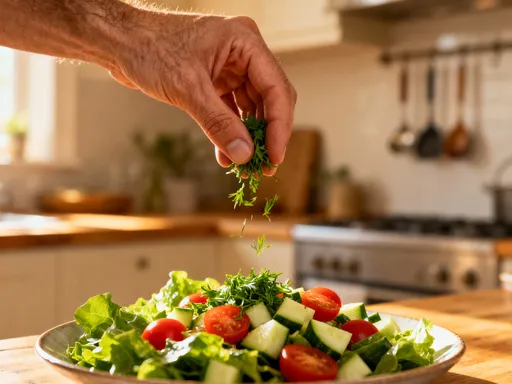
One of the biggest fears people have when cutting back on salt is that food will taste bland. But flavor comes from more than just sodium. Herbs, spices, citrus, vinegar, and umami-rich ingredients can transform meals without relying on salt. For example, a sprinkle of fresh thyme or rosemary on roasted vegetables adds depth, while a squeeze of lemon juice brightens a salad. Garlic, onion, cumin, paprika, and turmeric not only enhance taste but also offer antioxidant benefits.
Umami—the savory fifth taste—can be a powerful ally. Ingredients like mushrooms, tomatoes, and nutritional yeast provide rich, satisfying flavors that mimic the mouthfeel of saltiness. A sautéed mushroom topping on a grain bowl or a tomato-based sauce with slow-cooked onions can make dishes feel hearty and complete. Even small changes, like using low-sodium broth instead of regular or rinsing canned beans before use, can significantly reduce sodium without altering texture or satisfaction.
Reading food labels is another essential step. Many products labeled “healthy” or “natural” still contain high levels of sodium. Look for items with less than 140 milligrams per serving, which qualifies as “low sodium” by FDA standards. Compare brands—some manufacturers offer reduced-sodium versions of soups, sauces, and canned goods. Over time, this practice becomes second nature, much like checking calorie or sugar content.
Meal prepping also plays a key role in controlling sodium. When you cook at home, you decide what goes into your food. Preparing grains, proteins, and vegetables in batches allows for quick, healthy meals during busy weeks. Roast a tray of sweet potatoes, cook quinoa, grill chicken or tofu, and store them separately. Mix and match throughout the week with different seasonings to keep meals exciting. The more you cook, the more you’ll notice how quickly your taste buds adapt. After two to three weeks of lower-salt eating, previously normal foods may taste overly salty. This shift is a sign that your palate is recalibrating—a natural and positive change.
Smart Strategies for Eating Out and Social Situations
Dining out doesn’t have to derail a lower-salt lifestyle. Many restaurants now offer nutritional information online or upon request, making it easier to make informed choices. When ordering, ask for dressings and sauces on the side so you can control the amount. Skip the soy sauce, which is extremely high in sodium, and opt for lemon juice or a splash of vinegar instead. Choose grilled, baked, or steamed dishes over fried or breaded options, as breading and frying often involve salt-heavy coatings and marinades.
At family gatherings or holiday meals, it’s natural to worry about missing out or seeming difficult. But framing the change as a health upgrade rather than a restriction can ease social tension. Instead of saying, “I can’t eat that,” try, “I’m focusing on foods that help me feel my best.” Most people respond with curiosity or support, especially if they’ve had similar health concerns. If a dish is high in salt, take a small portion and balance it with plenty of fresh vegetables or a plain grain like brown rice.
When hosting, you have the opportunity to lead by example. Prepare flavorful, lower-salt dishes that others enjoy without realizing they’re healthier. A roasted vegetable platter with a tahini-lemon dressing or a lentil salad with herbs and olive oil can be crowd-pleasers. Offer fruit or yogurt for dessert instead of salty-sweet treats like cookies or pastries. These choices aren’t about deprivation—they’re about nourishment and enjoyment.
Even small adjustments add up over time. You don’t need to be perfect. If you eat out twice a week and make one lower-sodium choice each time, that’s still a meaningful reduction. The goal is progress, not perfection. Over time, these decisions become habits, and the benefits compound. The key is consistency, not occasional extremes.
Tracking Progress: What to Watch (And What Not to Obsess Over)
Monitoring your progress can be motivating, but it’s important to focus on the right indicators. Energy levels, hydration, and how you feel day to day are valuable signs of change. Some people notice reduced bloating within days of cutting back on salt. Others report sleeping better or feeling more alert. Occasional blood pressure checks—either at home with a monitor or during routine visits—can provide objective data. A downward trend, even if gradual, is a positive sign.
However, it’s easy to become overly focused on numbers. Daily fluctuations in blood pressure are normal and influenced by stress, sleep, and activity levels. Weighing yourself daily to check for water retention can also lead to unnecessary anxiety, as weight naturally varies. Instead, look for patterns over weeks or months. Are you feeling more consistent energy? Do meals feel satisfying without leaving you thirsty or bloated? These qualitative measures matter just as much as quantitative ones.
Results vary from person to person. Some notice changes within a few days, while others take several weeks to see shifts. Genetics, baseline health, and overall diet all play a role. What’s most important is that you’re moving in the right direction. This isn’t a quick fix but part of a broader heart-healthy lifestyle that includes balanced eating, physical activity, and stress management.
Remember, the goal isn’t to eliminate sodium entirely—your body needs a small amount to function. The aim is to stay within recommended limits and avoid excess. By focusing on patterns rather than perfection, you create a sustainable approach that supports long-term wellness.
Making It Last: Turning Low-Salt Eating Into a Sustainable Habit
The most effective health changes are those that become part of your daily rhythm. Shifting your mindset from sacrifice to self-care makes a big difference. Instead of thinking, “I can’t have salt,” reframe it as, “I’m choosing foods that support my energy and longevity.” This subtle shift reduces resistance and builds motivation. Over time, lower-salt eating stops feeling like a diet and starts feeling like a natural way of living.
Cooking becomes more creative when you explore new flavors. Experimenting with spices, herbs, and cooking techniques turns meal prep into an act of mindfulness. You begin to appreciate the natural taste of ingredients—the sweetness of roasted carrots, the earthiness of lentils, the brightness of fresh herbs. This awareness extends beyond sodium; it often leads to more conscious choices overall, such as reducing added sugars or increasing fiber intake.
Consistency matters more than perfection. If you have a high-salt meal at a restaurant or during a celebration, it doesn’t erase your progress. What counts is your overall pattern. Think of it like a savings account for your health—each good choice is a deposit, and occasional withdrawals don’t bankrupt the account. The key is to return to your routine without guilt or frustration.
Ultimately, lowering salt intake is about honoring your body’s unseen systems. It’s a quiet commitment to long-term well-being, not a reaction to a single number on a chart. The science is clear: reducing sodium lowers blood pressure, supports heart health, and reduces the risk of chronic disease. But beyond the data, there’s a deeper benefit—feeling more in tune with your body and more empowered by your choices. And once you experience that shift, you might wonder why you didn’t start sooner.
Adopting a lower-salt diet isn’t about fear or deprivation—it’s a quiet act of caring for your body’s unseen systems. The science is clear, the benefits are real, and the changes don’t have to be drastic. By making informed, gradual shifts, you’re not just adjusting your plate; you’re investing in decades of better health. And honestly? Once you get used to it, you might wonder why you didn’t start sooner.