How I Finally Learned to Move Freely — My Flexibility Journey Starts Now
I used to think being stiff was just part of getting older — until I realized my tight hips and sore back weren’t normal. Flexibility isn’t just for yogis or dancers; it’s a key part of everyday health. After years of ignoring it, I started small: simple stretches, consistent timing, zero pressure. Within weeks, I noticed changes — easier movement, less discomfort, more energy. This is the real talk on how flexibility training quietly transformed my well-being, and how it can do the same for you.
The Moment I Knew Something Had to Change
It wasn’t a dramatic injury or doctor’s warning that made me take flexibility seriously. It was the small things. The way I winced when standing up from the couch. How I had to twist awkwardly just to check my blind spot while driving. The moment I bent down to tie my shoe and felt a sharp pull in my lower back — that was the wake-up call. At first, I dismissed it as normal aging. After all, wasn’t everyone a little stiffer by their 40s? But then I noticed how my daughter could sit comfortably on the floor playing with her toddler, while I needed a chair just to get back up. That contrast stung more than any pain.
What I came to understand was that chronic stiffness is not an inevitable part of growing older — it’s often the result of inactivity, repetitive movements, and poor movement habits. The body adapts to how we use it. Spend hours sitting at a desk, and your hip flexors shorten. Skip stretching for years, and your hamstrings lose their natural elasticity. These changes don’t happen overnight, but they accumulate silently, leading to reduced mobility and increased discomfort. I realized I wasn’t aging poorly — I was moving poorly.
This insight shifted my perspective completely. Flexibility stopped being something reserved for the young or athletic. It became a foundation of functional health — the ability to move through daily life with ease, safety, and independence. Whether it’s reaching into a high cabinet, lifting a grocery bag, or playing with grandchildren on the floor, these actions rely on a basic level of mobility. Without it, even simple tasks become challenges. My journey began not with a goal to touch my toes, but with a desire to live fully in my body again.
What Flexibility Really Means (And What It Doesn’t)
When most people hear the word "flexibility," they picture someone bending into a pretzel on a yoga mat. But true flexibility is far more practical and accessible than that image suggests. In simple terms, flexibility refers to the range of motion available in your joints and the ability of your muscles to lengthen during movement. It’s not about performance or appearance — it’s about function. Can you lift your arm overhead without strain? Can you bend forward to pick something up without rounding your back? These are signs of healthy flexibility, not extreme contortion.
There are different types of flexibility, each serving a unique purpose. Static flexibility involves holding a stretch for a period — like reaching toward your toes and staying there. Dynamic flexibility uses movement to warm up muscles and improve mobility, such as leg swings or arm circles. Functional flexibility is about how well your body moves during real-life activities, like stepping over a curb or turning to look behind you while walking. All three matter, but for everyday health, functional flexibility is the most important.
One of the biggest misconceptions is that if you’re not naturally flexible, you can’t improve. Science shows the opposite: the human body responds to consistent stimulus at any age. Connective tissues like tendons and fascia can become more pliable with regular stretching and movement. Muscles retain the ability to lengthen and relax, even in later decades of life. The key is understanding that flexibility is not a fixed trait — it’s a skill that can be developed, like learning to cook or drive. Progress may be slower for some, but improvement is possible for everyone.
Another myth is that flexibility equals fragility — that being loose means being weak. This is false. In fact, balanced flexibility supports strength. Muscles that are too tight can’t contract efficiently, reducing power and increasing injury risk. On the other hand, muscles that are both strong and flexible perform better and recover faster. Think of a rubber band: one that’s too stiff will snap under pressure, but one that’s elastic can stretch and return safely. Your body works the same way. Flexibility, when paired with strength, creates resilience.
Why Your Body Craves Better Flexibility
The benefits of improved flexibility go far beyond simply moving more easily. Research shows that maintaining good range of motion supports nearly every system in the body. For example, tight hip flexors — common among those who sit for long periods — can tilt the pelvis forward and lead to chronic lower back pain. When the muscles around a joint are stiff, they force other parts of the body to compensate, creating imbalances that over time result in strain and discomfort. By restoring balance through stretching, you reduce the load on vulnerable areas like the spine and knees.
Improved posture is another major benefit. Many adults develop rounded shoulders and a forward head position from years of looking at screens. This posture compresses the chest, shortens the neck muscles, and restricts breathing. Gentle stretching of the chest, shoulders, and upper back can gradually reverse these patterns, allowing the spine to align more naturally. Better posture doesn’t just make you look taller — it improves lung capacity, reduces fatigue, and even enhances digestion by allowing organs to sit properly in the abdominal cavity.
Blood circulation also improves with regular stretching. When muscles are tight, they can restrict blood flow, leading to feelings of heaviness, cramping, or cold extremities. Stretching helps relax constricted tissues, allowing oxygen-rich blood to reach muscles and organs more efficiently. This supports recovery, reduces inflammation, and contributes to overall energy levels. People often report feeling warmer and more alert after a stretching session — not because they’ve exercised intensely, but because circulation has improved.
Perhaps one of the most overlooked benefits is injury prevention. Stiff muscles are more prone to strains, especially during sudden movements like lifting a heavy object or stepping off a curb awkwardly. Flexible muscles can absorb force more effectively, reducing the risk of tears or pulls. For older adults, this is especially important, as falls and mobility-related injuries are leading causes of loss of independence. By maintaining flexibility, you’re investing in long-term mobility and autonomy. It’s not about avoiding aging — it’s about aging well.
Starting From Zero: My First 7 Days of Stretching
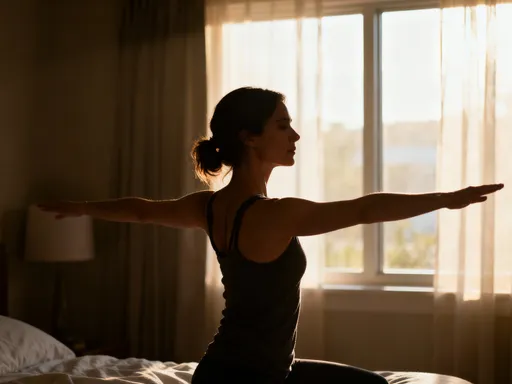
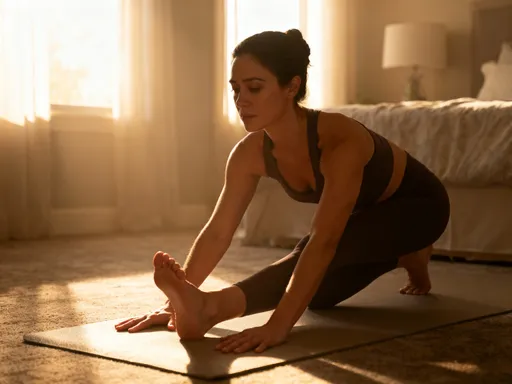
I didn’t begin with an hour-long routine or complicated poses. My first week was humble: five minutes each morning and five at night. I started with three basic stretches that targeted areas where I felt the most tension — my lower back, hips, and shoulders. The first was the cat-cow stretch, done on hands and knees. It felt awkward at first, like my spine had forgotten how to move fluidly. But within days, I noticed I could arch and round my back more easily, with less resistance.
Next was the seated forward fold. I sat on the edge of a firm chair, feet flat on the floor, and gently hinged forward from the hips. I didn’t try to touch my toes — I just let my hands rest wherever they could reach. At first, my fingertips barely made it past my knees. But I focused on keeping my back straight and breathing deeply, rather than forcing the stretch. By day six, I could rest my hands on my shins without rounding my spine. It wasn’t dramatic, but it was progress.
I also added shoulder rolls and neck stretches, especially after long hours at the computer. Rolling my shoulders forward and backward helped release tension that had built up from typing and driving. I learned to pause throughout the day — while waiting for the kettle to boil or standing in line — to gently stretch my neck by tilting my head side to side. These micro-moments added up.
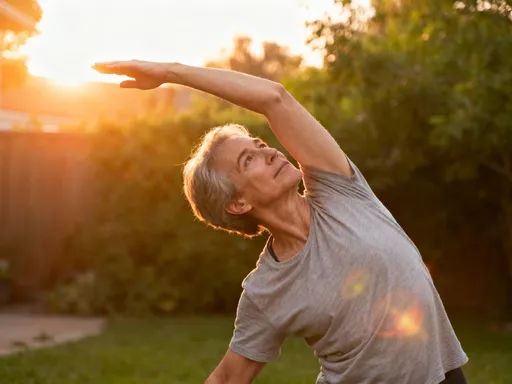
What surprised me most was how quickly I began to feel changes. By the end of the week, I no longer groaned when standing up. I could bend to pet the dog without bracing myself. The sharp twinge in my lower back after gardening was gone. These small victories were more motivating than any number on a scale. I realized that consistency, not intensity, was the real key. I wasn’t pushing my body — I was re-educating it, one gentle stretch at a time.
How to Build a Habit That Actually Sticks
One of the biggest reasons people fail to maintain a stretching routine is that they make it too complicated. They aim for 30 minutes a day, choose advanced stretches, and expect fast results. When progress doesn’t come quickly, motivation fades. I avoided this trap by anchoring my stretching to habits I already had. Every morning, after brushing my teeth, I spent five minutes stretching in the living room. At night, I did another short session while waiting for the tea kettle to boil. These cues made it automatic — no decision fatigue, no excuses.
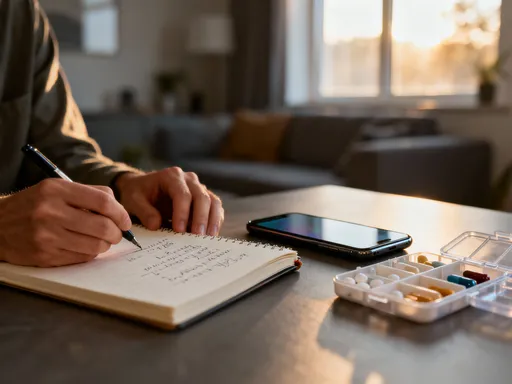
Creating a dedicated space also helped. I placed a yoga mat near the sofa, along with a small notebook where I jotted down how I felt each day. Not for tracking perfection, but for noticing patterns. I wrote things like "hips felt looser today" or "remembered to breathe during shoulder stretch." These notes weren’t about achievement — they were about awareness. Over time, I began to look forward to that quiet moment of connection with my body.
I also used gentle reminders. I set a daily alert on my phone labeled "Move with kindness," which felt more inviting than "Stretch now." I kept a pair of comfortable clothes ready, so there was no barrier to getting started. And I gave myself full permission to skip intensity. Some days, all I did was lie on the floor and hug one knee at a time. That still counted. The goal wasn’t to perform — it was to show up.
Experts agree that short, regular sessions are more effective than occasional long ones. The body responds to repetition, not duration. Five minutes a day builds neuromuscular pathways that make movement easier over time. It’s like learning to play an instrument — daily practice, even in small doses, leads to real improvement. By keeping my routine manageable, I avoided burnout and created a habit that felt sustainable, not like a chore.
Beyond Stretching: Other Ways to Support Your Flexibility
Stretching alone isn’t enough. Several lifestyle factors influence how well your body moves. Hydration is one of the most important. Muscles are about 75% water, and dehydration makes them stiffer and more prone to cramping. I made it a habit to drink a glass of water before each stretching session, and I noticed my muscles felt more supple. Even mild dehydration can reduce joint lubrication and muscle elasticity, so staying consistently hydrated matters.
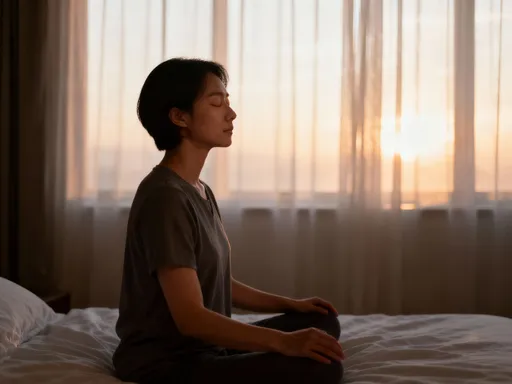
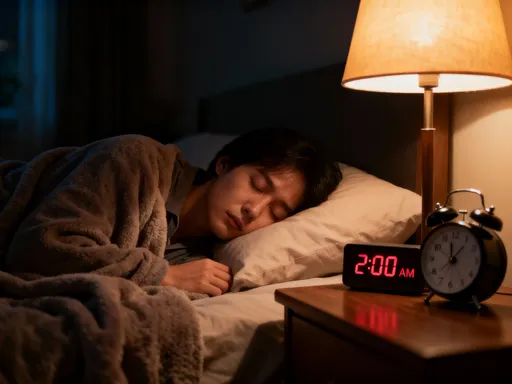
Sleep is another key factor. During deep sleep, the body repairs tissues, restores balance to the nervous system, and regulates inflammation. Poor sleep can increase muscle tension and reduce pain tolerance, making stretching feel harder. I prioritized a consistent bedtime and created a calming evening routine — dimming lights, avoiding screens, and doing light stretches — to signal to my body that it was time to rest. The quality of my sleep improved, and so did my mobility.
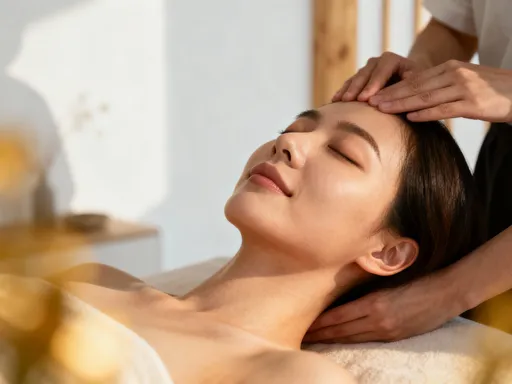
Foam rolling became a valuable addition to my routine. It’s a form of self-massage that helps release tightness in muscles and fascia — the connective tissue that surrounds muscles. I started with my calves and thighs, using slow, controlled rolls. It wasn’t always comfortable, but I learned to distinguish between productive discomfort and pain. Over time, areas that felt like knots began to soften. Foam rolling doesn’t replace stretching, but it prepares the muscles for deeper, more effective stretching.
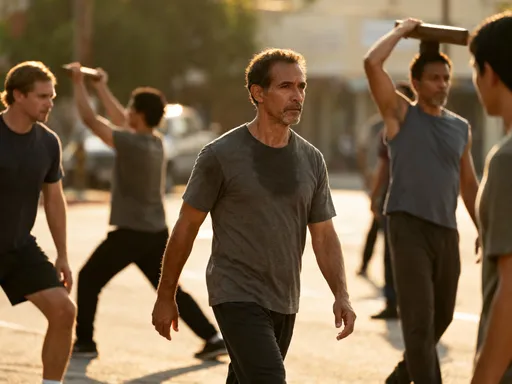
I also explored gentle movement practices like tai chi and mindful walking. These aren’t about burning calories — they’re about moving with awareness. Tai chi, with its slow, flowing motions, improved my balance and coordination while enhancing joint mobility. Walking with intention — noticing my posture, arm swing, and breath — turned a simple activity into a form of moving meditation. These practices reminded me that flexibility isn’t just about static stretches — it’s about how we move through life.
The Bigger Picture: Flexibility as a Form of Self-Care
Over time, stretching became less of a routine and more of a ritual — a daily act of listening to my body rather than pushing it. I stopped seeing my stiffness as a flaw and started seeing it as feedback. When a muscle felt tight, I asked myself: Have I been sitting too long? Am I stressed? Am I neglecting this part of my body? This shift in mindset transformed flexibility training from a physical task into a form of self-awareness.
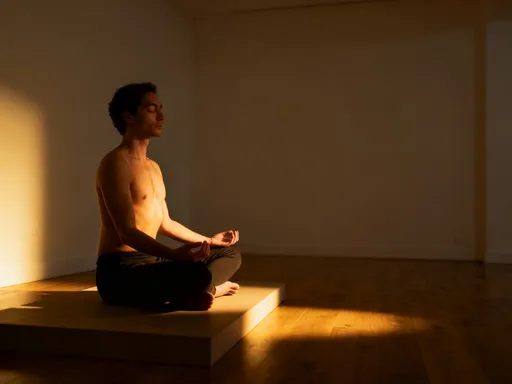
There’s a quiet connection between physical openness and mental clarity. When I release tension in my shoulders, my mind often feels lighter too. When I breathe deeply during a stretch, my thoughts slow down. This isn’t mystical — it’s physiological. The nervous system responds to slow, rhythmic movement by shifting from "fight or flight" to "rest and digest." This state supports healing, reduces anxiety, and improves mood. Flexibility, in this way, becomes a gateway to emotional balance.
My confidence grew as my body responded. I no longer avoided activities because I was afraid of pain. I took up gardening again, played with my grandchildren on the floor, and even tried a beginner dance class. These moments brought joy — not because I was performing well, but because I was present and capable. I realized that movement is not just functional — it’s deeply human. The ability to bend, reach, twist, and rise is a gift, and maintaining it is an act of gratitude.
Progress hasn’t been linear. Some weeks I feel looser than others. Illness, stress, or travel can set me back. But I’ve learned to meet those moments with compassion, not frustration. I don’t measure success by how far I can reach — I measure it by how I feel in my body each day. This journey isn’t about perfection. It’s about presence, patience, and the quiet courage to keep showing up for yourself.
Flexibility isn’t about achieving perfect poses — it’s about reclaiming ease in your body. What started as a simple effort to feel better turned into a deeper relationship with my physical self. By making small, sustainable choices, anyone can experience this shift. This journey isn’t flashy, but it’s powerful. And honestly? I wish I’d started years ago.