How Massage Therapy Quietly Transforms Your Mind and Mood
You might think massage is just for sore muscles, but I discovered it does way more—especially for my mind. After weeks of stress and restless nights, I gave therapeutic massage a real shot. What happened wasn’t just physical relief—it was mental clarity, deeper breaths, and a calmer inner voice. Turns out, touch influences not just tissue, but thought. This isn’t magic; it’s science. And if you’ve ever felt mentally drained, this might be the reset your nervous system never knew it needed.
The Hidden Link Between Touch and Mental State
Physical touch is one of the most fundamental forms of human connection, and its impact on mental well-being is deeply rooted in biology. When skilled hands apply gentle, intentional pressure during a massage, they do more than loosen tight muscles—they communicate directly with the nervous system. The body responds by shifting from a state of alertness, governed by the sympathetic nervous system, to one of rest and recovery, managed by the parasympathetic nervous system. This shift is not merely a feeling of relaxation; it is a measurable physiological change that lowers heart rate, slows breathing, and reduces blood pressure. For individuals who spend much of their day in a state of low-grade stress, this transition is essential for mental recovery.
One of the most powerful effects of massage is its ability to influence brain chemistry. During a session, the body naturally releases several key neurotransmitters and hormones that regulate mood and emotional stability. Oxytocin, often called the “bonding hormone,” increases feelings of trust and emotional safety. Serotonin, a neurotransmitter linked to mood regulation, helps reduce symptoms of anxiety and low mood. Dopamine, associated with pleasure and motivation, contributes to a sense of well-being and mental energy. These chemical shifts do not happen overnight, but with consistent massage therapy, they can help recalibrate the brain’s emotional baseline, making it easier to manage daily stressors.
Another important concept is the body-mind feedback loop. The brain constantly interprets signals from the body to assess whether the environment is safe or threatening. When muscles are chronically tense, the brain receives a continuous message that the body is under strain, which can perpetuate a state of mental alertness or anxiety. Massage interrupts this cycle by signaling safety through rhythmic, soothing touch. As the muscles relax, the brain begins to interpret this as a sign that danger has passed, allowing the mind to follow. This feedback mechanism explains why a person may enter a session feeling mentally overwhelmed and leave with a clearer, more centered state of mind—even without speaking a single word.
Why Stress Lives in Your Muscles (And How Massage Helps Release It)
Stress is not just a mental experience—it leaves a physical imprint on the body. When the brain perceives stress, it triggers the release of cortisol, a hormone that prepares the body for action. In short bursts, this response is useful. But when stress becomes chronic, as it often does in modern life, cortisol levels remain elevated, leading to persistent muscle tension. The neck, shoulders, and upper back are common storage sites for this tension, largely due to prolonged sitting, poor posture, and emotional strain. These areas become tight not because of injury, but because the body is literally holding on to stress, creating what many describe as a physical anchor for emotional weight.
This stored tension creates a self-perpetuating cycle. Tight muscles reduce circulation, leading to discomfort and fatigue. Discomfort distracts the mind, making it harder to concentrate or feel at ease. Mental fatigue then increases emotional sensitivity, making individuals more reactive to minor frustrations. This loop can be difficult to break through willpower alone. A person may try deep breathing or meditation, but if the body remains tense, the brain continues to receive signals of unease. Massage offers a direct way to interrupt this cycle by physically releasing the tension that the mind cannot always access on its own.
Consider the experience of a working mother managing a household, caring for children, and possibly working full-time. Her days are filled with responsibilities that demand constant attention and emotional labor. Over time, the physical manifestation of this load often shows up as a stiff neck or sore shoulders. Similarly, office workers who sit at desks for hours may develop tension headaches and jaw tightness, not from overuse, but from sustained mental focus and low-level anxiety. In both cases, massage does more than relieve pain—it provides a rare opportunity to pause, to let go, and to reset the body’s stress response. By addressing the physical symptoms of stress, massage indirectly supports mental resilience, making it easier to navigate daily challenges with greater calm and clarity.
Beyond Relaxation: Massage as a Tool for Emotional Regulation
While many people view massage as a way to unwind, its role in emotional regulation is often overlooked. Emotional regulation refers to the ability to manage and respond to emotional experiences in a healthy way. For individuals who feel emotionally overwhelmed, reactive, or numb, massage can serve as a non-verbal form of emotional processing. Unlike talk therapy, which relies on language and cognitive reflection, massage works through the body, helping individuals access and release emotions that may be difficult to articulate. This is especially valuable for those who have been conditioned to suppress feelings or who struggle to express emotional pain in words.
Research has shown that regular massage therapy leads to measurable reductions in cortisol, the primary stress hormone. Lower cortisol levels are associated with improved mood, better sleep, and increased emotional stability. In one study, participants who received weekly massage sessions over a ten-week period reported significant decreases in anxiety and depression symptoms compared to a control group. These changes were not just subjective—salivary cortisol tests confirmed the physiological shift. This evidence supports the idea that massage is not simply a temporary escape, but a practice that can produce lasting improvements in emotional health.
Another benefit of massage is its grounding effect. Many people who experience chronic stress or emotional dysregulation describe feeling “scattered” or “disconnected” from their bodies. Massage helps re-establish the mind-body connection by drawing attention to physical sensations in a safe, non-judgmental way. The rhythmic pressure, warm touch, and quiet environment create a sense of presence, pulling the individual out of rumination and into the moment. This grounding effect can be especially helpful for those who tend to overthink, worry excessively, or feel emotionally reactive. Over time, regular sessions can help train the nervous system to return to a state of balance more easily, even outside the massage room.
The Science of Touch: What Research Says About Massage and Mental Health
The growing body of scientific research on massage therapy underscores its value as a complementary approach to mental health care. Multiple peer-reviewed studies have demonstrated that massage can significantly reduce symptoms of anxiety, depression, and insomnia. A meta-analysis published in the Journal of Clinical Psychiatry reviewed over a dozen clinical trials and concluded that massage therapy produced moderate to large reductions in anxiety levels across diverse populations, including individuals with medical conditions, pregnant women, and those in high-stress professions. These benefits were observed after just a few sessions, with greater improvements seen with consistent treatment.
Sleep quality is another area where massage shows strong evidence of benefit. Poor sleep is both a cause and a consequence of mental health struggles. Massage helps improve sleep by reducing physical discomfort, lowering cortisol, and increasing serotonin, which is a precursor to melatonin, the hormone that regulates sleep-wake cycles. In one study involving adults with chronic sleep issues, those who received biweekly massages for six weeks reported falling asleep faster, waking less during the night, and feeling more rested in the morning. These changes were accompanied by improved mood and daytime focus, highlighting the interconnected nature of physical and mental well-being.
Massage is also being integrated into clinical settings as part of holistic care. Hospitals, rehabilitation centers, and palliative care units increasingly offer massage therapy to help patients manage pain, anxiety, and emotional distress. For example, cancer patients undergoing treatment often experience high levels of anxiety and fatigue. Studies have shown that massage can help reduce these symptoms, improving quality of life without interfering with medical care. Similarly, individuals recovering from surgery or injury benefit from massage not only for pain relief but also for its calming effect on the mind. These applications demonstrate that massage is not merely a luxury, but a valuable tool that supports healing on multiple levels.
It is important to emphasize that while massage has significant mental health benefits, it is not a substitute for professional psychological treatment. For individuals with clinical conditions such as major depressive disorder, generalized anxiety disorder, or post-traumatic stress disorder, massage should be viewed as a supportive practice, not a primary intervention. Licensed therapists, counselors, and psychiatrists are essential for diagnosing and treating these conditions. However, when used in conjunction with professional care, massage can enhance treatment outcomes by reducing physical tension, improving sleep, and creating a greater sense of well-being. This integrative approach acknowledges that mental health is not just about the mind—it involves the whole person.
What Type of Massage Works Best for Mental Calm?
Not all massage techniques are created equal when it comes to supporting mental calm. The choice of modality can significantly influence the psychological outcome of a session. Swedish massage, characterized by long, flowing strokes and gentle pressure, is often the most recommended for stress reduction and relaxation. Its rhythmic nature mimics the body’s natural rhythms, promoting a meditative state. The light to moderate pressure helps activate the parasympathetic nervous system without triggering discomfort, making it ideal for individuals who are highly stressed or new to massage therapy.
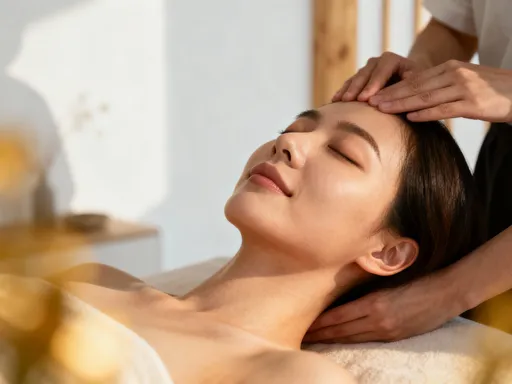
Craniosacral therapy is another gentle approach that focuses on the subtle movements of the skull and spine. While less well-known, it has gained recognition for its ability to calm the central nervous system. Practitioners use very light touch—often no more than the weight of a nickel—to release restrictions in the fascia and improve cerebrospinal fluid flow. Many recipients report deep states of relaxation, emotional release, and improved mental clarity after sessions. This modality is particularly beneficial for individuals who experience chronic anxiety, migraines, or a sense of mental fog.
Deeper techniques like deep tissue massage or myofascial release can also support mental well-being, but they require careful consideration. While effective for releasing long-held muscle tension, these methods can be intense and may not be suitable for individuals in a highly stressed or emotionally fragile state. The discomfort associated with deep work can sometimes trigger a stress response, counteracting the desired calming effect. However, for those with significant physical tension contributing to mental fatigue, these techniques—when applied gradually and with clear communication—can be transformative. The key is matching the technique to the individual’s current state, not just their physical symptoms.
Equally important is the environment in which the massage takes place. Soft lighting, soothing music, and a quiet space contribute to the overall sense of safety and relaxation. A skilled therapist will adjust pressure, pace, and technique based on the client’s feedback and observed responses. For individuals seeking mental calm, consistency matters more than intensity. Regular sessions with a gentle, rhythmic style are often more effective than occasional deep treatments. Choosing a massage style should be a thoughtful process, considering not only physical needs but also emotional sensitivity, personality, and stress levels.
Building a Sustainable Practice: How to Make Massage Part of Mental Wellness
For massage to have a lasting impact on mental health, it must be integrated into a sustainable self-care routine. Many people view massage as an occasional treat—something reserved for vacations or special occasions. While these indulgences are enjoyable, they do not provide the cumulative benefits that come from regular practice. To truly support mental wellness, massage should be approached as preventive care, much like exercise or healthy eating. Just as physical activity strengthens the body over time, consistent massage helps maintain nervous system balance and emotional resilience.
One practical way to make massage more accessible is to adjust expectations around duration and frequency. Full-hour or ninety-minute sessions are ideal, but even thirty-minute appointments can offer meaningful benefits. Shorter sessions focused on the neck, shoulders, and head can be especially effective for stress relief and are often more affordable. Some wellness centers offer discounted rates for package deals or membership programs, making regular visits more financially feasible. Community clinics and training schools also provide lower-cost options, allowing individuals to experience professional care without a significant financial burden.
Another strategy is to combine massage with other mindfulness practices. For example, incorporating slow, deep breathing during a session can enhance its calming effects. Some individuals find it helpful to spend a few minutes in quiet reflection before or after the massage, allowing the mind to integrate the experience. Others pair their sessions with journaling, using the post-massage clarity to process thoughts and emotions. These small additions deepen the psychological benefits and reinforce the mind-body connection.
Employers and healthcare providers are also beginning to recognize the value of massage in mental wellness. Some companies offer on-site chair massage as part of employee wellness programs, recognizing that reduced stress leads to better focus and productivity. Health insurance plans in certain regions may cover massage therapy when prescribed for specific conditions, such as chronic pain or recovery from injury. While coverage for mental health-related massage is still limited, advocacy and growing evidence may expand access in the future. In the meantime, viewing massage as a necessary part of mental hygiene—rather than a luxury—can shift how individuals prioritize it in their lives.
When to Seek Professional Help: Knowing the Limits of Massage
While massage therapy offers powerful support for mental well-being, it is essential to recognize its limitations. It is not a treatment for clinical mental health disorders such as major depression, bipolar disorder, or post-traumatic stress disorder. These conditions require comprehensive care from licensed mental health professionals, including therapy, counseling, and, when appropriate, medication. Massage can be a helpful addition to a treatment plan, but it should never be used as a substitute for professional intervention.
Signs that someone may need more than massage include persistent feelings of hopelessness, difficulty functioning in daily life, severe anxiety that interferes with relationships or work, or thoughts of self-harm. In these cases, the priority should be connecting with a therapist, psychologist, or psychiatrist who can provide appropriate diagnosis and care. Delaying professional help in favor of alternative approaches can prolong suffering and worsen outcomes. It is important to view massage as one component of a broader mental health strategy, not a standalone solution.
At the same time, seeking help should not be seen as a failure. Just as individuals visit doctors for physical ailments, it is both normal and healthy to consult mental health professionals when emotional struggles become overwhelming. Combining touch therapy with talk therapy, lifestyle changes, and medical support creates a holistic approach that addresses the full spectrum of human experience. Massage can play a vital role in this ecosystem by reducing physical tension, improving sleep, and creating a sense of safety that makes deeper emotional work more accessible.
Conclusion
Massage therapy, at its core, is more than muscle work—it’s a quiet conversation between body and mind. By calming the nervous system, easing stored tension, and restoring emotional balance, it offers a gentle but powerful path to mental clarity. When used wisely and in tandem with professional care, it becomes not just a treat, but a meaningful part of a resilient, healthy life. For anyone who has ever felt mentally exhausted, emotionally drained, or simply disconnected from themselves, massage offers a way back—to calm, to presence, and to well-being. It is not a cure, but a companion on the journey toward greater mental and emotional health.