How I Quietly Transformed My Health by Changing My Environment
For years, I chased quick fixes—diets, workouts, supplements—only to feel stuck. Then I realized: my surroundings were working against me. It’s not just about willpower; your environment shapes your health every single day. I started small, tweaking my space and habits, and over time, everything shifted. This is how reshaping my world quietly transformed my body and energy—no hype, just real, lasting change. What I discovered wasn’t a secret diet or a miracle supplement, but something far more powerful: the invisible architecture of daily life. The way we design our homes, organize our routines, and interact with light, air, sound, and space plays a foundational role in how we feel, think, and move. Health isn’t only created in the gym or the kitchen—it’s shaped in the background, moment by moment, by the environments we inhabit.
The Hidden Force Behind Long-Term Health
Most people believe health is built through willpower—resisting snacks, forcing workouts, pushing through fatigue. But science increasingly shows that behavior is less about motivation and more about environment. Our surroundings constantly send cues that shape our choices, often without us even noticing. A bowl of fruit on the counter leads to more healthy snacking. A TV remote within arm’s reach invites prolonged sitting. These small environmental signals accumulate over time, forming the foundation of our habits. The truth is, no amount of discipline can consistently override a setting that works against well-being. Long-term health depends not on heroic effort, but on creating a world that makes healthy choices the easy ones.
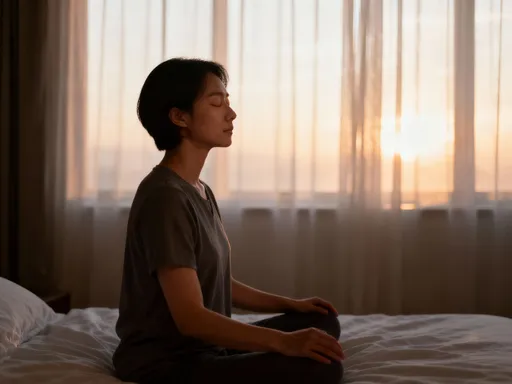
The turning point for me came when I struggled with chronic fatigue. I ate well, tried to exercise, and yet I was always tired. I assumed it was stress or aging. But when I began examining my environment, I noticed patterns: my bedroom had streetlights shining through the window, my phone charged right next to my pillow, and I rarely opened the curtains in the morning. These weren’t dramatic issues, but together, they disrupted my sleep cycle. Once I moved my phone across the room, installed blackout curtains, and committed to opening the blinds immediately upon waking, my energy began to shift. This wasn’t a diet change or a new supplement—it was an environmental redesign that supported my biology.
Behavioral research supports this insight. Studies show that people are more likely to maintain healthy habits when their surroundings support them. For example, individuals who keep exercise equipment visible and accessible are more likely to use it. Those who store unhealthy snacks out of sight consume fewer calories over time. The environment doesn’t just influence behavior—it often dictates it. This means that instead of blaming ourselves for lack of willpower, we can take control by reshaping the spaces where we live, work, and rest. The goal isn’t perfection, but progress: small, sustainable changes that align daily life with long-term health.
Air Quality: The Silent Player in Daily Energy
When we think about health, air is often overlooked—until we can’t breathe. But even when we feel fine, the quality of the air we inhale every day has a profound impact on our energy, focus, and long-term well-being. Indoor air can be two to five times more polluted than outdoor air, according to the U.S. Environmental Protection Agency. Common sources include synthetic cleaning products, off-gassing from furniture and carpets, and poor ventilation. These pollutants release volatile organic compounds (VOCs) that can impair respiratory function, reduce cognitive performance, and contribute to chronic fatigue. Clean air isn’t a luxury—it’s a basic requirement for optimal health.
I first became aware of this when I noticed that my afternoons were consistently sluggish, no matter how much coffee I drank. I tracked my habits and ruled out diet and sleep, but the fatigue persisted. Then I read about indoor air quality and realized my cleaning routine might be part of the problem. I had been using strong-scented sprays and wipes, believing they made my home ‘cleaner.’ In reality, they were filling the air with chemicals that my body had to work harder to process. I decided to switch to natural alternatives—vinegar, baking soda, and castile soap—and immediately noticed a difference. My head felt clearer, and the midday fog began to lift.
Next, I introduced air-purifying plants like spider plants and peace lilies into key areas of my home. NASA research has shown that certain plants can remove toxins such as formaldehyde and benzene from indoor air. While they aren’t a complete solution, they add a natural layer of filtration and bring a sense of calm to a room. I also invested in a simple air quality monitor, which helped me understand when to open windows or run a purifier. Over time, I began to feel more alert throughout the day, my breathing deepened, and I woke up feeling more refreshed. These changes didn’t require drastic measures—just awareness and small, consistent actions.
The benefits extended beyond energy. I experienced fewer headaches, my skin appeared clearer, and I noticed I was recovering faster from minor illnesses. Clean air supports the body’s natural detoxification systems, reduces inflammation, and improves oxygen delivery to cells—all of which contribute to a stronger, more resilient system. By treating air as a nutrient, just like food or water, I began to see my home not just as a place to live, but as a sanctuary that actively supports health. This shift in perspective changed everything.
Light: Resetting Your Body’s Natural Rhythm
Light is one of the most powerful regulators of human biology. It controls our circadian rhythm—the internal clock that governs sleep, hormone release, digestion, and energy levels. Yet modern life has disconnected us from natural light patterns. We spend hours under artificial lighting, stare at bright screens at night, and often miss morning sunlight. This mismatch confuses the body, leading to poor sleep, low energy, and mood imbalances. The solution isn’t complicated: realign with the natural light cycle. Exposure to bright light in the morning and darkness at night helps reset the body’s internal clock, improving nearly every aspect of health.
My journey with light began when I realized I was sleeping poorly despite going to bed early. I wasn’t stressed, and I avoided caffeine, but I still took hours to fall asleep. I read about circadian science and learned that morning light exposure is critical for setting the body’s rhythm. I committed to stepping outside within 30 minutes of waking, even if only for 10 minutes. At first, it felt like a chore, especially on cold or rainy days. But within two weeks, I noticed I was falling asleep faster and waking more easily. My energy felt more stable throughout the day, and my mood improved.
In the evenings, I made changes to reduce artificial light exposure. I installed dimmer switches, used warm-toned bulbs, and stopped using screens one hour before bed. I also removed all electronic devices from the bedroom, replacing them with a simple alarm clock. These adjustments helped my body produce melatonin—the sleep hormone—at the right time. I no longer felt groggy in the morning, and my mental clarity improved. Eye strain from screen use decreased significantly, and I found myself more present during evening conversations with family.
The most surprising benefit was emotional. I felt less anxious, more grounded, and more in tune with the natural rhythm of the day. Light doesn’t just affect sleep—it influences serotonin and cortisol levels, which regulate mood and stress. By syncing with natural light, I wasn’t just improving my energy; I was creating a more balanced internal environment. This subtle, daily practice became one of the most powerful tools in my health journey.
Designing Movement Into Everyday Life
Movement is essential for health, but the idea of ‘exercise’ can feel daunting, especially for busy women managing homes and families. The key isn’t to add more workouts, but to weave movement into daily life. Sitting isn’t the enemy—prolonged static posture is. The body thrives on variation: standing, stretching, shifting weight, walking. These small movements improve circulation, support joint health, and prevent stiffness. Instead of relying on willpower to get to the gym, I redesigned my environment to encourage natural motion throughout the day.
I started by introducing a standing desk for my computer work. I didn’t stand the entire time—instead, I alternated every 30 minutes. This simple change reduced lower back tension and improved my posture. I also began using floor seating in the living room—cushions and low stools that required me to engage my core and shift positions frequently. Even something as small as placing my water glass across the room meant I got up multiple times an hour, adding up to meaningful movement over time.
Another powerful nudge was changing how I organized household tasks. Instead of doing everything at once, I broke chores into short bursts—five minutes of folding laundry, then a quick stretch, then wiping the counter. This kept my body moving without feeling overwhelmed. I also started taking walking calls when possible, stepping outside even in cold weather with a warm coat. These micro-movements didn’t replace exercise, but they created a foundation of daily activity that made formal workouts feel more natural and less like a chore.
Over months, I noticed improvements in joint mobility, reduced stiffness, and better circulation. My legs felt stronger, and I had more endurance for daily tasks. Most importantly, movement became a seamless part of life rather than an obligation. By designing my space to invite motion, I built a habit loop that required no motivation—just living. This approach is sustainable, especially for women in midlife who may face joint discomfort or low energy. Movement doesn’t have to be intense to be effective—it just needs to be consistent.
Clutter and Calm: The Mind-Body Connection
Clutter isn’t just a visual issue—it’s a physiological one. Research shows that a disorganized environment increases cortisol, the stress hormone, leading to mental fatigue and reduced self-control. When our eyes are constantly scanning a chaotic space, the brain remains in low-grade alert mode, making it harder to relax or focus. For me, clutter used to be a source of quiet shame. I would clean intensely, then fall back into mess as life got busy. The cycle left me feeling out of control. Then I shifted my focus from perfection to process: creating a simple daily reset habit that kept my space calm without overwhelming effort.
Every evening, I spent 10 minutes returning items to their designated spots, wiping surfaces, and preparing the kitchen for the next day. This small ritual had an outsized impact. My mind felt clearer, and I slept better. The sense of order extended to other areas of my life—I made healthier food choices, stuck to routines more easily, and felt more in control of my time. A tidy space didn’t fix everything, but it removed one layer of stress, making it easier to make positive choices.
The link between environment and behavior is well-documented. Studies show that people in organized spaces are more likely to choose healthy snacks, exercise, and manage their time effectively. Clutter competes for attention, draining mental energy that could be used for decision-making or self-care. By reducing visual noise, I freed up cognitive resources. I also noticed that my family responded positively—children put things away more often, and my partner joined in maintaining order. The environment began to shape behavior in a virtuous cycle.
True calm isn’t about spotless surfaces—it’s about creating a space that supports peace. This means having clear zones for different activities, minimizing unnecessary items, and designing storage that works for real life. When your surroundings reflect order, your mind follows. For women managing homes and families, this is not indulgence—it’s essential self-care. A calm environment becomes a foundation for better health, one small decision at a time.
Soundscapes That Support Healing
Sound is another invisible force that shapes well-being. Constant background noise—TV, radio, appliances—keeps the nervous system in a state of low-level alert, making it harder to rest and recover. Even if we don’t consciously notice it, our bodies respond to sound. Chronic noise exposure has been linked to increased stress hormones, higher blood pressure, and disrupted sleep. I realized how much noise I lived with when I tried a simple experiment: one day without any background sound. At first, the silence felt uncomfortable, even eerie. But by evening, I felt calmer, more focused, and less mentally drained.
From that point, I began curating my sound environment. At night, I used a white noise machine to block outside sounds and create a consistent auditory backdrop for sleep. During the day, I played nature soundtracks—gentle rain, birdsong, ocean waves—while working or reading. These sounds have a rhythmic, soothing quality that supports concentration without overstimulation. I also made a rule: no sound while eating. This allowed me to tune into the experience of food, eat more slowly, and feel more satisfied.
The benefits were noticeable. I experienced fewer tension headaches, my sleep deepened, and I felt more present during conversations. I also became more aware of how sound affected my mood. Loud, jarring noises made me irritable, while soft, natural sounds brought a sense of peace. By being intentional about sound, I created pockets of calm in a busy day. This wasn’t about eliminating all noise—it was about choosing what to invite in.
For women who manage households, sound is often an overlooked aspect of self-care. The constant hum of activity can be draining. By designing soundscapes that support healing, we give our nervous systems a chance to reset. Silence, nature sounds, and mindful listening become forms of quiet resistance against the noise of modern life. This small shift can lead to greater resilience, better focus, and deeper rest.
Sustaining Change Without Burnout
Most health transformations fail because they rely on willpower and dramatic overhauls. We commit to radical diets, intense workouts, or complete cleanouts—only to burn out within weeks. Lasting change doesn’t come from effort, but from design. Each environmental tweak I made was small, invisible, and sustainable. I didn’t transform overnight. It took weeks to notice differences, and months for habits to solidify. But because the changes were integrated into daily life, they stuck. The key was patience and consistency, not intensity.
What surprised me most was how one change led to another. Better air quality made me more aware of what I brought into my home. Improved lighting made me more sensitive to screen time. A calmer space inspired me to protect it with daily care. These shifts created a self-reinforcing cycle—each improvement made the next one easier. I wasn’t forcing myself to be healthier; I was living in a world that made health the default.
True body care isn’t just about what we eat or how we move. It’s about building a life that supports well-being at every level. It’s designing spaces that breathe, light that balances, movement that flows, and silence that restores. These elements work quietly, behind the scenes, shaping how we feel every day. For women in their 30s, 40s, and 50s, who often put others first, this approach offers a path to sustainable health—one that doesn’t require more time, energy, or sacrifice. It simply asks us to notice our surroundings and make small, intentional choices. The result isn’t a perfect life, but a healthier, calmer, more resilient one—built not on willpower, but on wisdom.