This Is How I Finally Tamed My Hair—Simple, Effective, and Backed by Real Results
We’ve all been there—staring in the mirror, frustrated by frizz, breakage, or lifeless strands. I was too, until I shifted my focus from quick fixes to real hair health standards. It wasn’t magic, just consistent, science-backed habits. I tested methods, made mistakes, and found what actually works. This isn’t about perfection; it’s about progress. Let me walk you through the effective changes that transformed my hair—and can transform yours too—without hype, just honesty.
The Hair Crisis No One Talks About
Behind every styled photo and polished appearance often lies a private struggle: brittle ends, persistent shedding, and hair that refuses to grow beyond a certain length. These issues are rarely discussed openly, yet millions of women experience them, especially during life transitions such as hormonal shifts, stress-heavy periods, or aging. The real crisis isn’t just damaged hair—it’s the widespread misunderstanding of what hair health truly means. Society celebrates appearance over substance, promoting endless products that mask problems instead of resolving them. Shiny commercials sell serums that smooth for a day but do nothing for follicle strength or scalp balance. The truth is, you can have beautiful-looking hair that’s fundamentally unhealthy—and eventually, that imbalance shows.
The gap between appearance and actual hair wellness is wide. Many women rely on heat tools, tight hairstyles, and chemical treatments to maintain a certain look, unaware that these very practices contribute to long-term damage. Heat styling weakens the hair shaft, tight ponytails cause traction alopecia over time, and frequent coloring strips natural lipids from the cuticle. These habits create a cycle: damage leads to more styling to hide the damage, which leads to further weakening. What’s often overlooked is that true hair health doesn’t begin at the surface—it starts beneath the skin, where follicles receive nutrients, grow new strands, and respond to internal signals. Without addressing this foundation, no amount of smoothing balm or shine spray will bring lasting change.
Recognizing this disconnect was my first step toward real progress. I had spent years chasing trends—keratin treatments, glossing masks, protein reconstructors—only to see temporary improvements followed by renewed breakage. It wasn’t until I stopped focusing on how my hair looked in the moment and started asking why it behaved the way it did that I began to see lasting results. The shift wasn’t glamorous, but it was honest. It required patience, observation, and a willingness to let go of quick fixes in favor of sustainable habits. And in doing so, I discovered that healthy hair isn’t about covering flaws—it’s about building strength from within.
Rethinking “Healthy Hair”: What Science Actually Says
When we talk about healthy hair, most people picture smoothness, shine, and length. But scientifically, healthy hair is defined by its structure, growth cycle, and resilience. It’s not just about aesthetics—it’s about biology. Each strand grows from a follicle embedded in the scalp, and the condition of that follicle determines everything from thickness to growth rate. Hair health can be measured by three key factors: the integrity of the hair shaft, the stability of the growth cycle, and the quality of the scalp environment. Understanding these elements is essential to moving beyond superficial care and addressing root causes of damage.
The hair growth cycle consists of three phases: anagen (growth), catagen (transition), and telogen (resting). During the anagen phase, which can last two to seven years, hair actively grows from the follicle. This phase is influenced by genetics, hormones, and nutrient availability. The catagen phase lasts about two weeks and marks the end of active growth, while the telogen phase, lasting around three months, is when the hair rests before naturally shedding to make room for a new strand. On average, a person loses 50 to 100 hairs per day—this is normal. Problems arise when the cycle is disrupted, leading to shortened growth phases, increased shedding, or follicles that fail to regenerate.
Think of hair like a plant: the visible strand is the stem, but the root is what sustains it. Without healthy soil—meaning a well-nourished, balanced scalp—the plant cannot thrive, no matter how much you water the leaves. Similarly, no amount of conditioning will help if the scalp lacks proper circulation, hydration, or microbial balance. Hydration plays a critical role; the hair shaft contains water, and when it’s depleted, strands become brittle and prone to splitting. Protein, particularly keratin, gives hair its strength, but too much protein without moisture leads to stiffness and breakage. Blood circulation to the scalp delivers oxygen and nutrients to follicles, supporting continuous growth. When any of these elements are compromised, the results show in texture, volume, and resilience.
What this means is that true hair health isn’t achieved through external products alone. It requires a holistic approach that supports the biological processes underneath. That doesn’t mean abandoning styling or conditioning—those still have their place—but it does mean prioritizing foundational care. By aligning daily habits with what science tells us about hair biology, it becomes possible to shift from reactive damage control to proactive health building. And that’s where real transformation begins.
My Turning Point: From Damage to Discipline
My journey toward healthier hair didn’t start with a revelation—it started with frustration. I had spent over a decade coloring my hair, using hot tools almost daily, and pulling it into tight styles for work and events. At first, the damage was subtle: a few split ends, slight dryness. But over time, the changes became impossible to ignore. My hair stopped growing past shoulder length, strands snapped easily, and the ends looked frayed no matter how often I trimmed them. I tried every product on the market—deep conditioners, bond-repair treatments, overnight masks—but nothing delivered lasting results. I was spending hours and hundreds of dollars chasing a solution that kept slipping away.
The turning point came after a particularly bad week. I had used a flat iron three days in a row, and by the fourth day, a section near my crown broke off completely. I stood in front of the mirror, holding the broken piece in my hand, and felt a wave of sadness. It wasn’t just about hair—it was about feeling powerless over something that had always been a part of my identity. That moment forced me to ask a hard question: was I doing more harm than good? I decided to stop all chemical treatments and heat styling for three months. No dye, no blowouts, no flat irons. Instead, I committed to learning how hair actually works and what it truly needs to heal.
What followed was a slow but steady transformation. I began reading dermatology journals, consulting trichology resources, and tracking my hair’s response to different habits. I learned that consistency mattered more than intensity. One deep conditioning treatment a week was more effective than three in a single day. Gentle brushing, proper detangling, and nighttime protection with a silk scarf made a bigger difference than any expensive serum. Over time, I noticed less shedding, stronger strands, and even new growth along my hairline. But the most significant change wasn’t just in my hair—it was in how I felt. I stopped dreading bad hair days. I stopped comparing my texture to others’. I started seeing hair care not as a chore, but as an act of self-care rooted in respect for my body’s natural processes.
That emotional shift was just as important as the physical results. For years, I had tied my confidence to how my hair looked on any given day. When it was smooth and shiny, I felt put together. When it was frizzy or flat, I felt inadequate. By focusing on health instead of perfection, I broke that cycle. I learned to appreciate progress, not perfection. And in doing so, I regained a sense of control—not just over my hair, but over my relationship with myself.
The 4 Pillars of Effective Hair Care (Backed by Dermatology)
After months of research and trial, I identified four core practices that consistently delivered results. These aren’t trendy hacks or miracle cures—they’re science-supported habits recommended by dermatologists and trichologists. When combined, they create a synergistic effect that supports long-term hair health. The first pillar is gentle cleansing. Many shampoos contain sulfates, which strip the scalp of natural oils and disrupt its pH balance. Over time, this can lead to dryness, irritation, and increased sebum production as the scalp tries to compensate. Switching to a sulfate-free formula helped restore balance. I now wash my hair two to three times a week, using lukewarm water and focusing the lather on the scalp, not the lengths. This removes buildup without over-drying.
The second pillar is hydration. Just as skin needs moisture, so does hair. But hydration isn’t just about applying leave-in conditioners—it starts with internal water intake and extends to using products that seal in moisture. I incorporate a lightweight leave-in spray after every wash, followed by a small amount of oil—like argan or jojoba—on the ends. These oils mimic the scalp’s natural sebum and help prevent evaporation. Humidity used to be my enemy, causing frizz and puffiness. But once my hair was properly hydrated, it responded better to moisture in the air, actually appearing smoother on humid days.
The third pillar is protection. This includes both physical and environmental safeguards. I stopped using elastic bands with metal clasps, which snag and break strands. Instead, I use soft fabric scrunchies. I sleep on a silk pillowcase, which reduces friction and prevents tangles. When I go outside, especially in the sun or wind, I wear a hat or loosely tie my hair to minimize exposure to UV rays and pollution. Heat protection is non-negotiable—I haven’t used a hot tool without a thermal protectant since my hair breakage incident. Even on low settings, heat alters the protein structure of hair, so minimizing exposure is key.
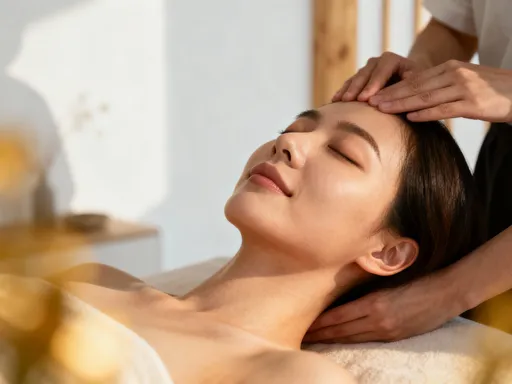
The fourth and most underrated pillar is stimulation. The scalp needs blood flow to deliver nutrients to follicles. I began incorporating a two-minute scalp massage into my routine every night, using my fingertips in small circular motions. Studies suggest this can improve thickness over time by increasing circulation and reducing tension. Some people use specialized tools like scalp brushes or derma rollers, but I’ve found that consistent manual massage works just as well. These four pillars—gentle cleansing, hydration, protection, and stimulation—don’t promise overnight miracles. But when practiced consistently, they create the optimal environment for hair to grow strong, resilient, and healthy.
Scalp First: Why Your Foundation Determines Everything
If hair is the plant, the scalp is the soil—and no matter how well you care for the visible strands, poor soil will limit growth. Yet most hair care routines ignore the scalp entirely, focusing instead on the mid-lengths and ends. This is a critical oversight. The scalp hosts over 100,000 follicles, each dependent on a stable environment to function properly. When the scalp is imbalanced—whether due to excess oil, dryness, or microbial overgrowth—hair quality suffers. Signs of trouble include flaking, persistent itching, redness, or uneven texture. These aren’t just cosmetic issues; they’re indicators of underlying dysfunction.
The scalp has its own microbiome, a community of bacteria and fungi that, when in balance, protects against pathogens and supports healthy shedding. But factors like stress, hormonal changes, or harsh products can disrupt this ecosystem, leading to conditions like seborrheic dermatitis or folliculitis. I once struggled with mild dandruff that wouldn’t go away, no matter how often I washed. It wasn’t until I switched to a gentle, pH-balanced shampoo and added a weekly exfoliating scrub that I saw improvement. The scrub removed dead skin cells and product buildup, allowing the scalp to breathe and absorb moisture more effectively.
Maintaining scalp health doesn’t require complicated routines. A few simple habits make a big difference. I check my scalp weekly under good lighting, looking for changes in texture, color, or sensitivity. I avoid heavy oils or leave-in products that can clog follicles. Instead, I use lightweight, non-comedogenic moisturizers if my scalp feels dry. I also limit the use of dry shampoo, which can accumulate and irritate the skin over time. For those with oily scalps, washing more frequently with a mild cleanser is better than relying on absorbing powders. The goal is equilibrium—neither too dry nor too greasy, but balanced and responsive.
By prioritizing the scalp, I’ve noticed stronger roots, less shedding, and even improved growth along my hairline. It’s a reminder that what happens beneath the surface has the greatest impact. You can apply all the serums in the world, but if your foundation is compromised, results will be limited. Treating the scalp with the same care as the hair itself is not just logical—it’s essential.
Daily Habits That Add Up: Lifestyle’s Hidden Role
Hair health doesn’t exist in a vacuum. It’s deeply connected to overall well-being, influenced by sleep, stress levels, and nutrition. I used to think hair care was purely external—shampoos, conditioners, treatments—but I’ve learned that what happens inside the body shows up on the surface. Chronic stress, for example, elevates cortisol, a hormone that can shorten the hair growth cycle and push more follicles into the shedding phase. During a particularly demanding work period, I noticed a sudden increase in hair loss. It wasn’t until I prioritized sleep and introduced daily mindfulness practices that my shedding slowed.
Nutrition plays an equally important role. Hair is made mostly of protein, so insufficient intake can lead to thinning and slow growth. Iron deficiency is a common but often overlooked cause of hair loss, especially in women. Biotin, vitamin D, and omega-3 fatty acids also support follicle function. I don’t follow restrictive diets or take supplements unless recommended by a doctor. Instead, I focus on balanced meals with lean proteins, leafy greens, nuts, and whole grains. I also track my water intake, aiming for at least eight glasses a day. Hydration affects every cell in the body, including hair cells, which need water to maintain elasticity and strength.
Small lifestyle adjustments have had a big impact. I replaced cotton pillowcases with silk, which reduces friction and moisture loss. I stopped tying my hair up when it was wet, a habit that led to breakage. I use wide-tooth combs instead of brushes, starting from the ends and working upward to minimize tension. These changes aren’t dramatic, but they add up over time. They reflect a shift from reactive to proactive care—choosing habits that protect rather than repair. And because they’re sustainable, I can maintain them long-term without feeling overwhelmed.
When to Seek Help: Knowing the Limits of Self-Care
While consistent home care can resolve many common issues, there are times when professional help is necessary. Sudden, excessive shedding, patchy bald spots, or scalp lesions are not normal and should never be ignored. These can be signs of medical conditions such as alopecia areata, thyroid disorders, or autoimmune diseases. I once dismissed my thinning crown as stress-related, but after six months of no improvement, I consulted a dermatologist. Blood tests revealed a mild thyroid imbalance, which, once treated, led to noticeable regrowth.
Seeing a specialist isn’t a failure—it’s a responsible step toward accurate diagnosis and effective treatment. Dermatologists can perform scalp analyses, order blood work, and recommend targeted therapies that go beyond over-the-counter products. They can also rule out infections or inflammatory conditions that mimic common dandruff. The key is early intervention. The longer an underlying issue goes unaddressed, the harder it is to reverse the damage. There’s no shame in seeking help; in fact, it’s a sign of self-respect.
Self-care and professional care are not opposites—they’re partners in a comprehensive approach to health. Using the right products and habits at home creates a strong foundation, but when something feels off, it’s wise to get expert guidance. I now schedule annual scalp checkups, just as I would for skin or dental health. Prevention, early detection, and informed action are the best tools we have for maintaining long-term wellness.
Conclusion: Hair Health as a Long-Term Commitment
Healthy hair isn’t the result of a single product or a viral trend. It’s the outcome of consistent, informed choices that support the body’s natural processes. My journey taught me that real transformation comes not from intensity, but from patience and discipline. It’s about shifting focus from appearance to health, from quick fixes to lasting habits. Hair care, at its core, is an act of self-respect—a daily promise to honor your body’s needs.
You don’t have to overhaul your routine overnight. Start with one change: switch to a gentler shampoo, add a scalp massage, drink more water. Track your progress quietly, without comparison. Celebrate small wins—less breakage, stronger strands, a better scalp feel. Over time, these choices compound into visible, lasting results. Healthy hair isn’t genetic luck. It’s the sum of daily decisions, each one a step toward strength, resilience, and confidence. And that’s a journey worth taking.