What I Ate to Stop Hair Loss—And Why It Actually Worked
Hair thinning used to stress me out—until I realized it wasn’t just about shampoos or serums. What I put on my plate mattered way more than I thought. After months of research and testing small, realistic diet changes, I saw real improvement. This isn’t a miracle fix, but a simple, science-backed shift. If you’ve ever looked in the mirror and wondered why your hair feels weak or dull, the answer might start in the kitchen.
The Hair Wake-Up Call
It started subtly—more strands than usual on my brush, a faint widening of the part, and a general lack of bounce. At first, I blamed styling tools or hard water. I tried thicker conditioners, silk pillowcases, and even a new shampoo labeled “for thinning hair.” But no matter what I applied topically, the changes were temporary, if noticeable at all. The real turning point came after a routine visit to my doctor, who asked about my energy levels and recent diet. During a blood test, I learned I was mildly deficient in iron and vitamin D—two nutrients closely tied to hair health. That moment shifted my perspective completely. I had been treating my hair like a surface issue when the root cause—literally—was internal.
Many women in their 30s and beyond face similar patterns without realizing it. Hair changes are often dismissed as aging or stress, but they can be early signals of nutritional gaps. External products may improve appearance temporarily, but they can’t compensate for what the body lacks internally. Hair follicles are among the most metabolically active cells in the body, requiring a constant supply of nutrients to function properly. When that supply is interrupted, the effects show up in texture, strength, and growth rate. The realization that food could be the missing link was both empowering and daunting. Empowering, because it meant I had control. Daunting, because it required rethinking daily habits.
Still, the shift wasn’t about perfection. It wasn’t about eliminating every indulgence or adopting a restrictive diet. It was about making consistent, informed choices that supported my body’s natural processes. I began viewing meals not just as fuel, but as building blocks for stronger hair, clearer skin, and better energy. This mindset change was crucial. Instead of focusing on what I had to give up, I focused on what I could add—nutrient-dense foods that made me feel good and, over time, made my hair look better too.
Why Diet Directly Impacts Hair Growth
Hair is primarily made of a protein called keratin, which the body produces using amino acids from dietary protein. Without adequate protein intake, the body may slow down or even halt hair production, prioritizing essential organs over cosmetic functions. This is why people on very low-protein diets or those recovering from illness often experience hair shedding. But protein is just one piece of the puzzle. A range of vitamins and minerals act as co-factors in the hair growth cycle, supporting everything from follicle strength to oil production and cell turnover.
Iron, for example, plays a critical role in delivering oxygen to hair follicles through red blood cells. Low iron levels, especially in premenopausal women, are strongly associated with hair thinning. Studies have shown that iron deficiency—even without full-blown anemia—can disrupt the hair growth phase, leading to increased shedding. Similarly, zinc supports immune function and cell reproduction, both of which are essential for healthy hair. Low zinc levels have been linked to brittle hair and slow regrowth. Biotin, often marketed in hair supplements, helps convert nutrients into energy and supports keratin infrastructure. While severe biotin deficiency is rare, marginal insufficiency may contribute to dryness and breakage.
Omega-3 fatty acids, found in fatty fish and certain seeds, reduce inflammation and support scalp hydration. A dry, flaky scalp can hinder hair growth, and omega-3s help maintain the natural oils that keep the scalp healthy. Vitamin D, once thought to be only about bone health, is now recognized as a key player in hair cycling. Receptors for vitamin D are present in hair follicles, and research suggests that low levels may be linked to alopecia and other forms of hair loss. Vitamin E, an antioxidant, protects hair from oxidative stress caused by environmental factors like pollution and UV exposure. Together, these nutrients form a network of support that keeps hair strong, resilient, and growing on schedule.
The Top 5 Hair-Boosting Foods I Added Daily
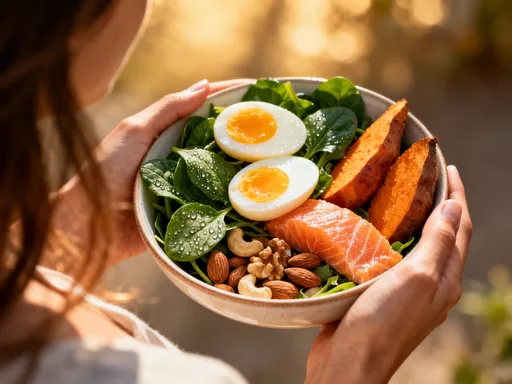
Once I understood the science, I focused on incorporating foods rich in these essential nutrients. I didn’t overhaul my entire diet overnight. Instead, I started with five key additions that were easy to integrate and made a noticeable difference over time. The first was eggs. A single large egg contains about six grams of high-quality protein and is one of the best natural sources of biotin. I began eating one or two eggs three to four times a week, usually for breakfast. Over time, I noticed my hair felt less brittle, and breakage decreased significantly. The combination of protein and biotin helped strengthen the hair shaft from within.
Next, I added spinach to my daily routine. I wasn’t a big green eater before, but I started blending raw spinach into smoothies and sautéing it as a side dish. Spinach is rich in non-heme iron, folate, and vitamin C, which enhances iron absorption. Since plant-based iron isn’t as easily absorbed as animal-based iron, pairing spinach with vitamin C-rich foods like bell peppers or citrus made a difference. I also noticed improvements in my energy levels, which further supported overall hair health. After about two months, my follow-up blood work showed improved iron stores, and my hair shedding had noticeably slowed.
Fatty fish like salmon became a weekly staple. I aimed for two servings per week, either grilled or baked. Salmon is packed with omega-3 fatty acids, particularly EPA and DHA, which help reduce inflammation and support scalp health. I also appreciated how the healthy fats contributed to a natural shine. My scalp felt less dry, and I didn’t need to use as much conditioner. For those who don’t eat fish, chia seeds, flaxseeds, and walnuts offer plant-based omega-3s, though the conversion rate in the body is lower. Still, including these regularly can support hair moisture and strength.
Nuts and seeds were another easy win. I kept a mix of almonds, walnuts, sunflower seeds, and pumpkin seeds in a jar on my counter. A small handful each day provided zinc, vitamin E, and healthy fats. Pumpkin seeds, in particular, are a rich source of zinc, which helps regulate the oil glands around hair follicles. Zinc deficiency has been linked to hair shedding, so maintaining adequate levels is crucial. Vitamin E in almonds acts as an antioxidant, protecting hair from daily damage. I found that snacking on nuts helped curb afternoon cravings while delivering nutrients that supported my hair goals.
Finally, I incorporated sweet potatoes into my meals two to three times a week. They’re high in beta-carotene, which the body converts into vitamin A. Vitamin A supports the production of sebum, the natural oil that keeps the scalp moisturized. However, I was careful not to overdo it—excess vitamin A, especially from supplements, can actually cause hair loss. Getting it from whole foods like sweet potatoes provided a safe, balanced intake. I roasted them with olive oil and rosemary or mashed them as a side dish. The subtle glow in my skin and the improved texture of my hair made this a favorite addition.
What I Cut Back On—And Why It Mattered
While adding nutrient-dense foods was important, reducing certain items made an equally big difference. The first was refined sugar. I used to reach for cookies, pastries, or sweetened drinks when tired, but I learned that high blood sugar levels can lead to inflammation, which may negatively affect hair follicles. Chronic inflammation has been linked to disrupted hair cycles and increased shedding. By cutting back on sugary snacks and choosing whole fruits instead, I stabilized my energy and reduced systemic inflammation. My hair didn’t respond overnight, but over time, it felt stronger and less prone to breakage.
Processed foods were another area of change. Packaged meals, frozen dinners, and fast food often lack essential nutrients while containing high levels of sodium, unhealthy fats, and preservatives. These foods don’t directly cause hair loss, but they displace more nutritious options in the diet. When I replaced processed carbs with whole grains like quinoa and brown rice, I noticed better digestion and more consistent energy—both of which support overall health, including hair. I also became more aware of hidden sugars in sauces and dressings, so I started making my own or choosing low-sugar versions.
One of the most surprising discoveries was the risk of excess vitamin A. I had been taking a multivitamin that included high levels of preformed vitamin A, thinking it was beneficial. However, research shows that too much vitamin A—especially from supplements—can lead to hair loss. Unlike vitamin A from plant sources (like beta-carotene), preformed vitamin A from animal products and supplements can accumulate in the body and become toxic. I switched to a gentler multivitamin and focused on getting vitamin A from food sources instead. Within a few weeks, my hair shedding began to stabilize, and I felt more confident in my approach.
Building a Simple, Sustainable Hair-Healthy Eating Pattern
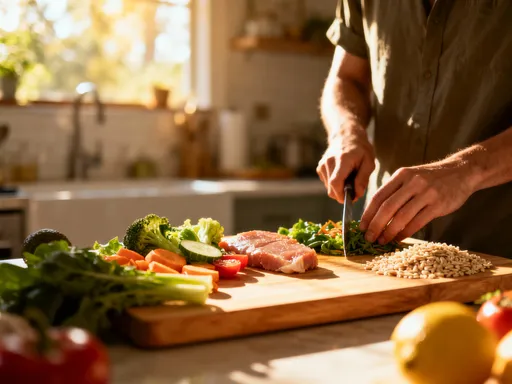
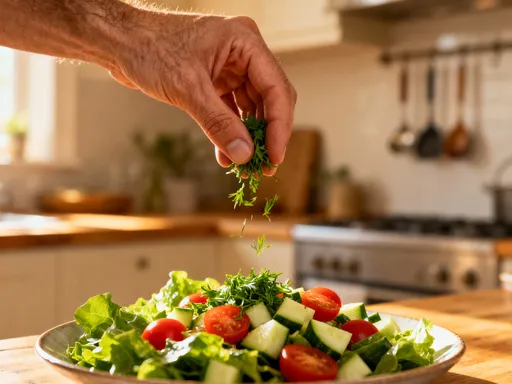
Sustainability was key. I knew I wouldn’t stick with a rigid or complicated plan, so I designed a flexible framework that worked with my lifestyle. My typical day now includes a balance of protein, healthy fats, and colorful vegetables. For breakfast, I might have scrambled eggs with spinach and avocado on whole grain toast, or a smoothie with banana, spinach, protein powder, and chia seeds. Lunch is often a large salad with mixed greens, grilled chicken or chickpeas, olive oil dressing, and a sprinkle of sunflower seeds. Dinner varies—baked salmon with roasted sweet potatoes and broccoli, or a stir-fry with tofu, bell peppers, and quinoa.
Snacks are simple but purposeful. I keep hard-boiled eggs, Greek yogurt, apple slices with almond butter, or a small handful of mixed nuts on hand. These choices keep me full and provide steady nutrition throughout the day. I also practice meal prep on weekends—cooking a batch of quinoa, roasting vegetables, and portioning out smoothie ingredients in freezer bags. This makes healthy eating easier during busy weekdays. I don’t aim for perfection; if I eat out or have a treat, I don’t stress. Consistency over time matters more than occasional lapses.
One of the most helpful strategies was focusing on food synergy—pairing nutrients to enhance absorption. For example, I combine iron-rich spinach with lemon juice (for vitamin C) or eat nuts with a piece of fruit to balance blood sugar. These small habits compound over time, making a real difference in how I feel and how my hair looks. The goal isn’t to follow a trendy diet but to build a lifelong pattern of eating that supports overall wellness, with healthy hair as a visible benefit.
Beyond Food: Lifestyle Factors That Support Results
Nutrition is foundational, but it doesn’t work in isolation. Sleep, stress management, and hair care habits also play important roles. I used to underestimate the impact of sleep, but I’ve learned that deep rest is essential for tissue repair and hormone balance. During sleep, the body produces growth hormone and repairs damaged cells, including those in hair follicles. When I prioritized seven to eight hours of quality sleep, I noticed less shedding and more consistent growth. Simple changes like reducing screen time before bed and keeping a regular sleep schedule made a difference.
Stress was another silent contributor. High cortisol levels—triggered by chronic stress—can push hair follicles into a resting phase, leading to temporary shedding known as telogen effluvium. While some stress is unavoidable, I’ve learned to manage it through daily walks, mindful breathing, and setting boundaries. Even ten minutes of quiet reflection can lower cortisol and support overall balance. I also switched to gentler hair routines—avoiding tight ponytails, reducing heat styling, and using a wide-tooth comb on wet hair. These small changes prevented breakage and allowed my hair to grow without unnecessary damage.
Hydration also matters. Water supports every bodily function, including nutrient delivery to hair follicles. I made it a habit to carry a reusable water bottle and aim for at least eight glasses a day. When I’m well-hydrated, my scalp feels less dry, and my hair has more elasticity. I also limited alcohol, which can dehydrate the body and affect nutrient absorption. These lifestyle adjustments didn’t replace nutrition, but they amplified its benefits, creating a holistic approach to hair health.
Realistic Expectations and When to See a Professional
It’s important to set realistic expectations. Hair grows slowly—about half an inch per month—so visible changes take time. I didn’t see major improvements until about three months into my new routine. At first, the changes were subtle: less shedding, more shine, a slight increase in density. But by the sixth month, friends began commenting that my hair looked thicker and healthier. Patience was essential. This wasn’t a quick fix, but a long-term investment in my body’s health.
That said, nutrition isn’t a cure-all. If you experience sudden or patchy hair loss, scalp irritation, or other unusual symptoms, it’s important to consult a healthcare provider. Conditions like thyroid disorders, autoimmune diseases, or hormonal imbalances can also cause hair loss and require medical treatment. Blood tests can identify deficiencies or underlying issues that diet alone can’t resolve. A doctor or registered dietitian can help create a personalized plan based on your health history and lab results. I’m grateful that my hair loss was largely nutritional, but I now understand that it’s one piece of a larger health picture.
Today, I view hair health as a reflection of overall well-being. It’s not about achieving perfection, but about making choices that support my body from the inside out. By focusing on real food, consistent habits, and self-care, I’ve regained not just thicker hair, but greater confidence and energy. Healthy hair isn’t about expensive serums or trendy treatments—it’s about daily decisions that nourish and sustain.
Transforming my diet didn’t give me instant Hollywood hair, but it restored thickness, shine, and confidence I thought I’d lost. Healthy hair isn’t about expensive treatments—it’s about daily choices that feed your body right. By treating food as foundational care, not just fuel, you’re not just eating better. You’re growing better—strand by strand.