How I Found Calm Through Simple Meditation — And Why Your Body Will Thank You
Stress used to live in my shoulders, my jaw, even my breath. I tried everything—long workouts, strict diets—but nothing quieted the noise. Then I started meditating for just five minutes a day. No rituals, no apps, just stillness. Within weeks, I slept better, felt lighter, and noticed real shifts—not just in my mind, but in my body. This isn’t magic. It’s science. And honestly? I wish I’d started years ago.
The Hidden Link Between Mind and Body
For years, many of us have treated the mind and body as separate systems—like two departments in a company that rarely communicate. But modern health science tells a different story: they are deeply connected, constantly exchanging signals. When stress activates the mind, the body listens. It responds with physical changes—tightened muscles, a racing heart, shallow breathing, and a digestive system that slows down. These reactions were useful thousands of years ago when humans faced real physical threats. But today, most of our stress comes from deadlines, family responsibilities, or constant digital noise—not from predators in the wild. Yet the body still reacts as if danger is present.
When stress becomes chronic, these physical responses don’t turn off. The shoulders stay tense. The jaw remains clenched. Breathing stays shallow. Over time, this takes a toll. Fatigue sets in. Headaches become more frequent. Sleep suffers. The immune system weakens. Research from institutions like the Mayo Clinic and Harvard Medical School shows that long-term stress contributes to conditions such as high blood pressure, digestive issues, and even heart disease. The body isn’t designed to live in a constant state of alert. It needs periods of calm to repair, restore, and rebalance.
This is where meditation comes in—not as a mystical escape, but as a practical reset button. By calming the mind, we send a clear signal to the body: the threat has passed. The nervous system shifts from “fight or flight” to “rest and digest.” Muscles begin to relax. Breathing deepens. Heart rate slows. In that moment, the body gets the message it has been waiting for: it’s safe to recover. This isn’t just emotional relief; it’s physiological healing. Meditation bridges the gap between mental quiet and physical restoration, creating a feedback loop where a calmer mind leads to a healthier body, and a healthier body supports a clearer mind.
Why Simplicity Wins: My No-Frills Approach to Meditation
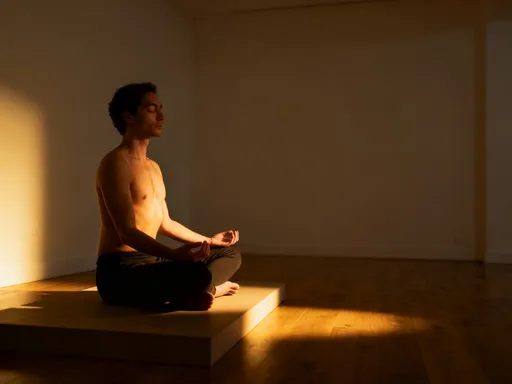
When I first looked into meditation, I imagined it required special equipment, a quiet room, and hours of training. I pictured people sitting cross-legged on cushions, eyes closed, perfectly still. That image felt unattainable—especially for someone with a busy household, a full schedule, and a mind that rarely slows down. But what I’ve learned is that meditation doesn’t have to be complicated to be effective. In fact, the simpler it is, the more likely it is to become a lasting habit.
I started with just three conscious breaths. That’s it. No app. No timer. No cushion. I would pause at my desk, place my hands gently on my lap, and take one slow breath in through my nose, feeling my chest rise. Then a slow breath out, feeling my shoulders drop slightly. I repeated this twice more. That small act—lasting less than a minute—became my entry point. It didn’t fix everything, but it created a tiny space of awareness in the middle of a chaotic day. And over time, those tiny spaces added up.
The real shift came when I stopped chasing perfection. I used to think that if my mind wandered, I had “failed” at meditating. But experts agree that distraction is not a mistake—it’s part of the process. The practice isn’t about emptying the mind; it’s about noticing when it drifts and gently bringing it back. Each time you do that, you’re strengthening your mental muscles, much like lifting a weight at the gym. Consistency matters far more than duration or technique. Five minutes a day, done regularly, has been shown in studies to produce measurable benefits. It’s not about how long you sit. It’s about showing up, again and again, with kindness toward yourself.
What Science Says: Real Effects of Daily Meditation
Meditation is no longer just a wellness trend—it’s a subject of serious scientific study. Over the past two decades, researchers at institutions like Johns Hopkins, the University of Massachusetts, and Stanford University have examined how regular meditation affects the body and brain. What they’ve found is compelling: even short, daily sessions can lead to significant improvements in both mental and physical health.
One of the most well-documented effects is the reduction of cortisol, the primary stress hormone. High cortisol levels are linked to weight gain, sleep disruption, and weakened immunity. A 2013 meta-analysis published in JAMA Internal Medicine reviewed nearly 50 clinical trials and concluded that mindfulness meditation programs can improve anxiety, depression, and pain. Participants didn’t need to meditate for hours—sessions as short as 10 minutes a day showed benefits. The study emphasized that meditation is not a cure-all, but a valuable tool for managing stress-related conditions.
Another key finding involves the brain itself. Brain imaging studies show that long-term meditators have increased gray matter in areas related to attention, emotional regulation, and self-awareness. But you don’t need to be a monk to see changes. After just eight weeks of daily practice, some studies observed measurable growth in these regions. At the same time, the amygdala—the brain’s fear center—tends to shrink, which helps explain why people report feeling less reactive and more in control.
On the physical side, meditation supports heart health by lowering blood pressure and improving circulation. It also reduces inflammation, a hidden driver of many chronic diseases. A 2017 study from the American Heart Association found that meditation may be a reasonable adjunct to traditional heart disease prevention strategies. Additionally, people who meditate regularly often report better sleep, improved digestion, and fewer tension headaches—all signs that the body is shifting out of survival mode and into recovery mode.
How to Start—Without Overthinking It
If you’re new to meditation, the biggest obstacle is often not the practice itself, but the idea of it. Many people delay starting because they think they need to create the perfect environment or master a complex technique. But the truth is, you can begin right where you are. You don’t need special training, a silent house, or even a lot of time. All you need is a few minutes and a willingness to pause.
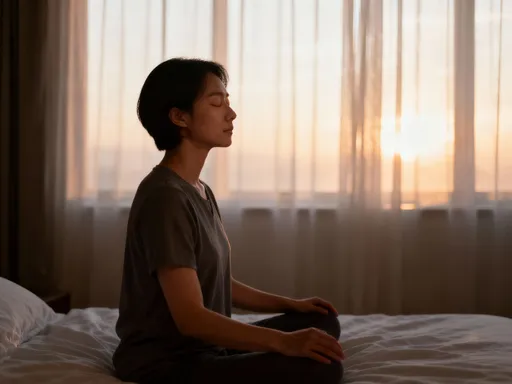
Here’s a simple five-minute method that anyone can follow: Find a comfortable seat—on a chair, your bed, or even your couch. Keep your back relatively straight but not stiff. Rest your hands on your lap or knees. Close your eyes, or soften your gaze downward. Begin by taking one slow breath in through your nose, feeling the air fill your lungs. Then exhale slowly through your mouth. Do this two more times. Now, shift to breathing naturally through your nose. Bring your attention to the sensation of your breath—the cool air entering your nostrils, the slight rise and fall of your chest or belly. When your mind wanders (and it will), simply notice where it went, and gently return your focus to your breath. That’s the entire practice. Repeat this daily, ideally at the same time, to build consistency.
Timing and location can make a big difference. Many people find success by pairing meditation with an existing habit—like right after brushing their teeth in the morning or before turning off the bedroom light at night. Others take a mindful pause during lunch or after arriving home from work. The key is to anchor the practice to something you already do. As for distractions, they are not failures. The sound of a child calling, a phone buzzing, or thoughts racing through your mind—these are all part of real life. Instead of resisting them, acknowledge them without judgment and return to your breath. That act of returning is the heart of the practice.
Body Signals That Show It’s Working
One of the most encouraging aspects of meditation is that the benefits often show up in tangible, physical ways—sometimes before you even notice changes in your mood or thoughts. These subtle signals are the body’s way of saying, “Thank you.” For instance, you might catch yourself one day and realize your shoulders are no longer hunched up near your ears. Or you may notice that you’re taking deeper breaths without trying. These small shifts are real indicators that your nervous system is relaxing.
Digestion often improves as well. When the body is stressed, blood flow is diverted away from the digestive organs. But when you meditate, the parasympathetic nervous system activates, allowing digestion to function more efficiently. Some people report fewer stomachaches, less bloating, and a greater sense of ease after meals. Sleep quality also tends to improve. Instead of lying awake with a racing mind, you may find it easier to fall asleep and stay asleep. This isn’t just anecdotal—studies have shown that mindfulness meditation can help people fall asleep faster and reduce insomnia symptoms.
Another sign is increased body awareness. Over time, you may start to notice tension earlier—before it turns into a full-blown headache or back pain. This awareness allows you to respond proactively, perhaps with a stretch, a deep breath, or a short meditation break. Many people who’ve adopted a simple daily practice report feeling “lighter,” “more grounded,” or “less reactive” in daily situations. One woman shared that after three weeks of five-minute morning meditations, she no longer felt the urge to clench her jaw during traffic. Another said she started sleeping through the night for the first time in years. These changes may seem small, but they reflect a deeper shift in how the body manages stress.
Making It Stick: Habits That Support Practice
Starting a meditation habit is one thing. Keeping it going is another. The most common reason people stop is not because it doesn’t work—it’s because life gets busy, motivation fades, or they feel they’re “not doing it right.” But like any healthy habit, meditation thrives on consistency, not perfection. The goal isn’t to meditate flawlessly every day. It’s to make space for it, even when it feels imperfect.
One of the most effective strategies is habit stacking—linking meditation to something you already do daily. For example, you might meditate right after pouring your morning coffee, before checking your phone, or right after tucking your children into bed. This connection makes it easier to remember and removes the mental barrier of “finding time.” You’re not adding a new task; you’re enhancing an existing moment.
Gentle reminders can also help. Instead of setting a harsh alarm that feels like a demand, try a soft chime or a sticky note on your mirror. You might also use a habit tracker—a simple checkmark on a calendar can provide a sense of accomplishment. But the most important support is self-compassion. Some days, you’ll forget. Some days, you’ll sit down and feel more restless than calm. That’s normal. Progress in meditation isn’t linear. There will be days when it feels effortless and days when it feels like work. What matters is returning to the practice without guilt or criticism. Each time you do, you’re reinforcing a commitment to your well-being.
Beyond the Cushion: Living with More Presence
Meditation doesn’t end when you open your eyes. In fact, one of its greatest benefits is how it changes the way you move through the rest of your day. The moments of stillness you create in meditation begin to spill over into everyday life. You might find yourself pausing before reacting to a frustrating comment, taking a breath before responding to an email, or simply noticing the warmth of sunlight through a window. These small acts of presence are the quiet side effects of a regular practice.
Over time, many people report improved focus and patience. Decisions feel less rushed. Conversations feel more attentive. Even routine tasks—like washing dishes or folding laundry—can feel more manageable when approached with a calmer mind. This isn’t about becoming a different person. It’s about showing up more fully as yourself, with greater clarity and less reactivity.
And the physical benefits continue. As stress levels decrease, the body has more energy to devote to healing, digestion, and immune function. Chronic tension eases. Posture improves. Movement feels more fluid. This is why meditation isn’t just a form of self-care—it’s a form of sustainable body care. It supports long-term health by addressing the root cause of many physical complaints: chronic stress. By giving your mind regular moments of rest, you’re giving your body the conditions it needs to thrive.
Living with more presence doesn’t require grand changes. It starts with small pauses. A breath before speaking. A moment of stillness before starting the car. A conscious inhale while waiting in line. These micro-moments add up, creating a life that feels less rushed and more grounded. You don’t need to retreat to a mountain top. You just need to remember, again and again, to come back to the present.
Meditation isn’t about escaping life—it’s about showing up for it, fully and physically. When you give your mind a break, your body responds with gratitude. The practice doesn’t have to be perfect. It just has to happen. And once you feel the shift, you’ll realize: calm wasn’t missing. It was always within reach.